The world of music production has come a long way, right? In the past, it was all about spending hours in expensive studios or relying on record labels to get your music out. Fast forward to today, and the rise of AI-driven tools has totally changed the game. Now, independent artists and producers can create music from home without all the hassle and heavy equipment. But here’s the big question: Which is better for music production—AI-driven tools or traditional methods?
Let’s break it down, shall we?
Traditional Music Production Tools: The Old-School Magic
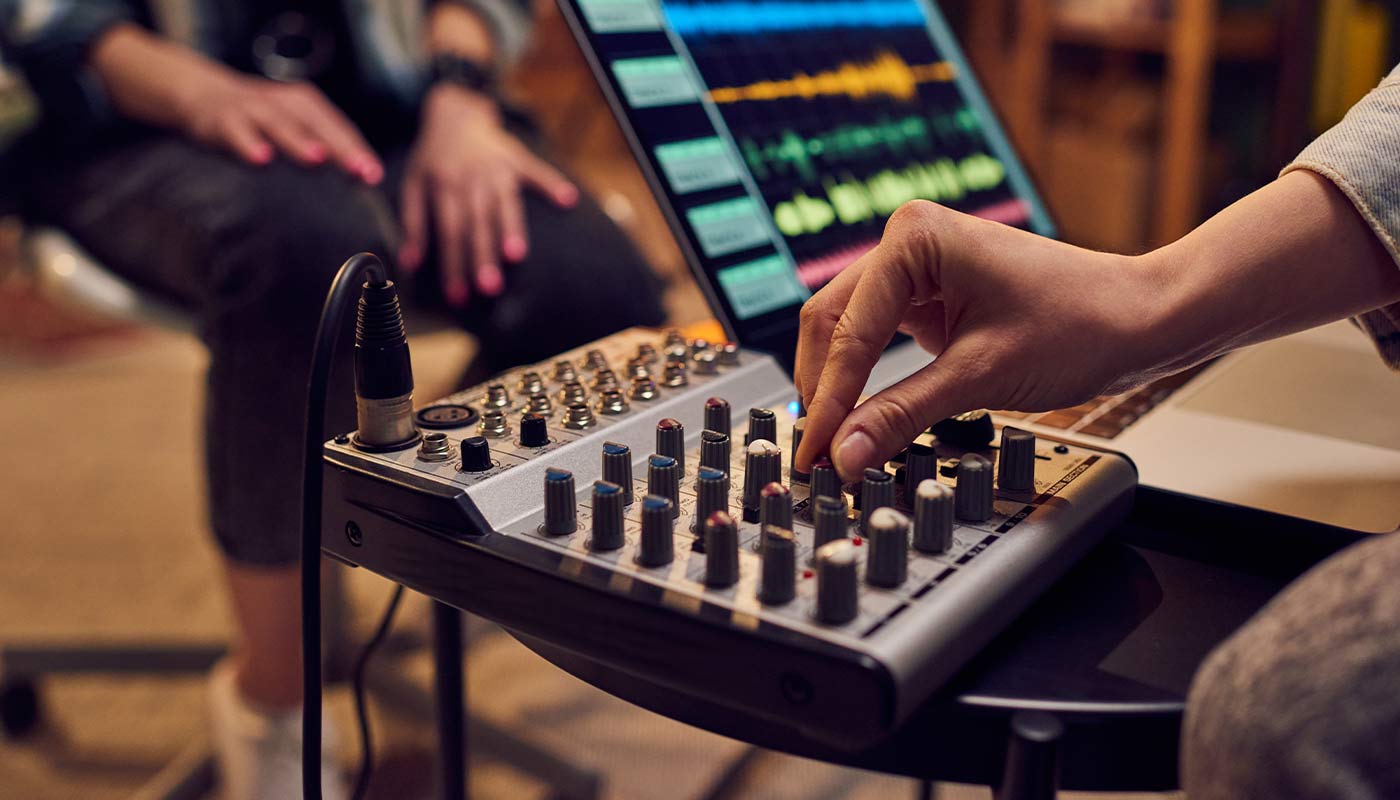
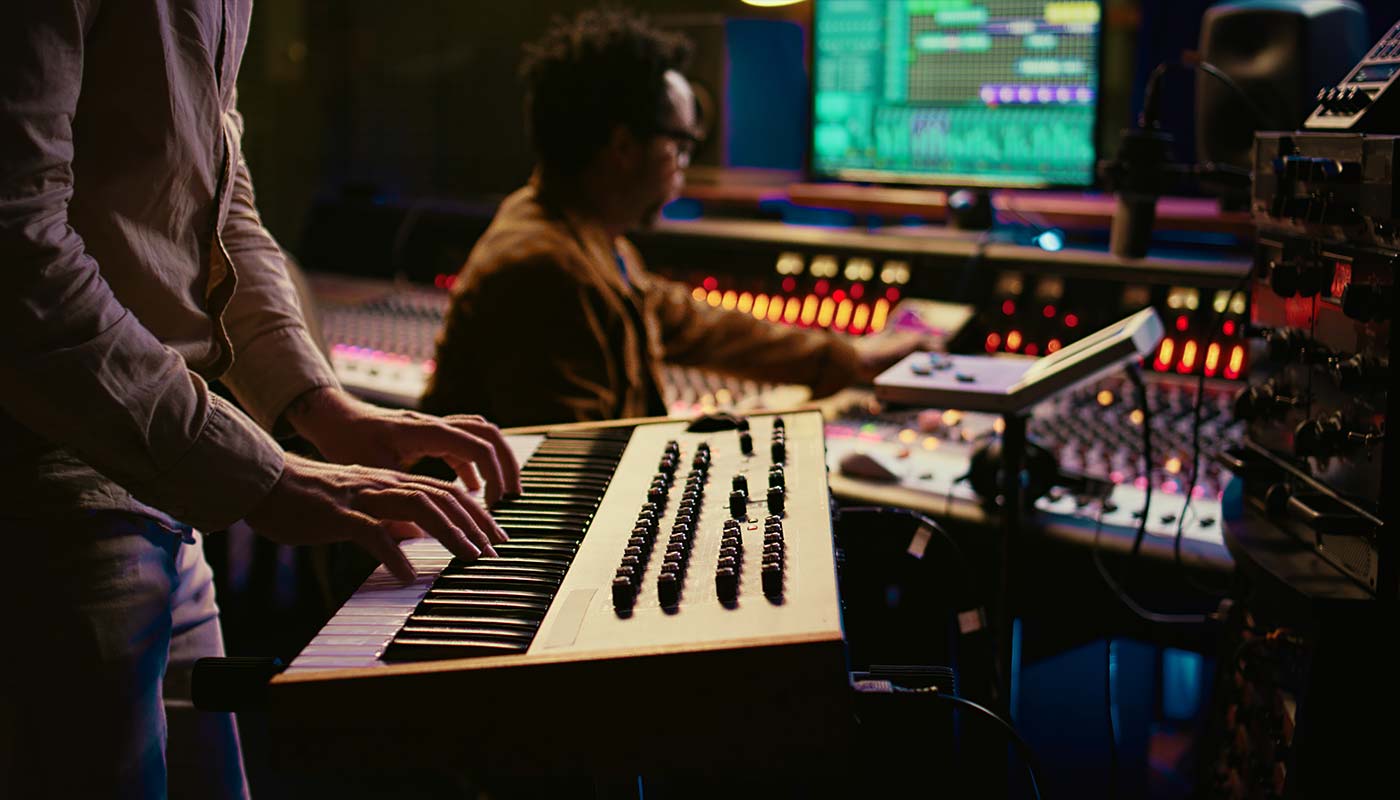
First off, let’s talk about the classic stuff. Traditional music production tools are all the hardware and software that’s been around for years. Think analog synthesizers, mixing consoles, and DAWs like Pro Tools and Logic Pro X. These are the go-to tools for serious producers who want complete control over every tiny detail.
When you're using traditional tools, everything comes down to your skills and creativity. For example, you might use a MIDI keyboard, manipulate sound manually with EQ or compression, or experiment with your favorite plugins to get that perfect mix.
It’s all about hands-on control and pushing your creativity as far as it can go. But, yeah, this method can be time-consuming. And not to mention, the learning curve can be steep for beginners. But for the pros? There’s nothing quite like it.
Pros:
- Total control over every detail
- The sound quality and precision are top-notch
- Endless possibilities for experimentation
- The joy of mixing things by hand (seriously, it feels like art)
Cons:
- Time-consuming (mixing and mastering takes a while)
- Expensive, especially when you’re buying all that gear
- It can be overwhelming for beginners or those on a budget
AI-Driven Music Production Tools: The Future is Now
Now, let’s dive into the AI side of things. AI-driven music production tools are relatively new on the scene, but they’re gaining a lot of attention. These tools are all about using artificial intelligence to make music creation faster and easier. You know those times when you’re stuck in a creative rut? Well, AI tools can help generate beats, melodies, and even entire tracks with minimal effort.
Platforms like Amper Music, Aiva, and Endlesss are designed to help you get inspired quickly, whether you’re writing a melody or working on a mix. These tools can suggest chord progressions, create entire compositions, and even adjust your audio for you. Super handy, right?
The best part is that AI-driven tools can speed up your workflow. If you’re on a tight deadline or just need some inspiration, they can come to the rescue and save you loads of time. But yeah, here’s the catch: while AI can be great for generating ideas, some argue it’s just not the same as the human touch. You know, that special something you get from putting your heart and soul into a track.
Pros:
- Saves you time with automation (especially for repetitive tasks)
- Great for generating ideas and getting inspired
- Super beginner-friendly (you don’t need to be an expert)
- Many tools are affordable or even free
Cons:
- It can feel a bit “mechanical” or lack that personal touch
- Limited control over the creative process
- Sometimes the results are generic, not unique
So, Which One is Better?
Now, you’re probably wondering: Which should I choose? Traditional tools or AI-driven tools? Honestly, it all depends on what you're looking for in your music production journey.
- If you’re the type of person who loves creative freedom and has the time to experiment, traditional tools are for you. You get to shape every little detail and really dive deep into your music. It’s a more personal and hands-on experience.
- But if you’re short on time or need a boost of inspiration, AI-driven tools might be perfect for you. They’re a great way to quickly get started and even finish a track faster, but they might lack that personal, creative magic you can achieve with traditional methods.
Best of Both Worlds?
Here’s the thing—you don’t have to pick one over the other! Why not use both? Many professional producers combine AI-driven tools and traditional methods in their workflow. You can use AI to generate ideas and lay down the basics, and then take control with traditional tools to perfect your track.
Imagine using AI to create the initial beat, then jumping into a traditional DAW to mix and add effects. That way, you get the best of both worlds—speed and creativity.