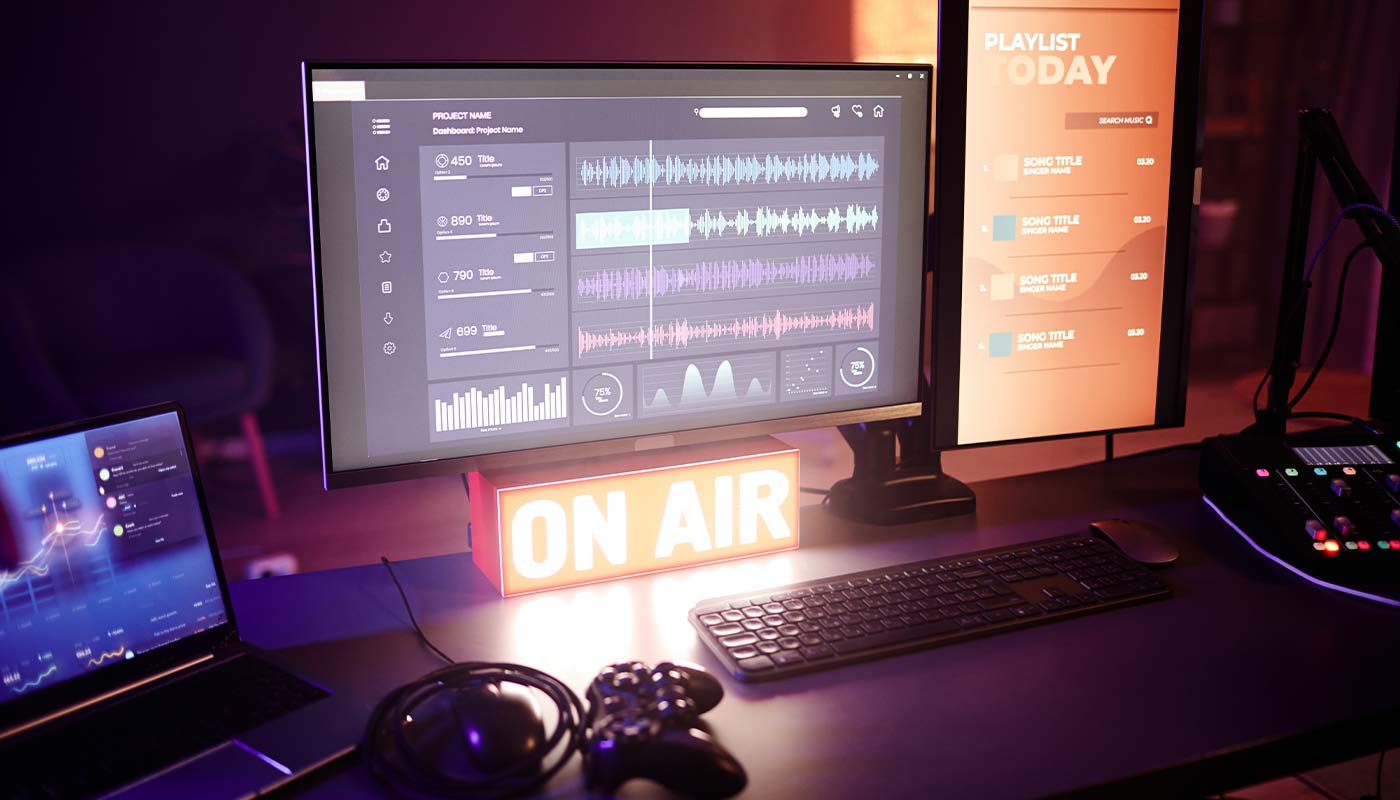
The music production world has changed a lot in recent years. One of the most exciting shifts? Cloud-based music production tools. These tools have made it possible for musicians, producers, and sound designers to collaborate, create, and produce music from just about anywhere. Whether you're at home, at a café, or on the move, the cloud is making it easier than ever to stay productive and connected with others.
In this article, let’s take a look at how cloud-based music production tools are shaping the future of music creation. From collaborating with others to accessing your music on the go, these tools are transforming the way music is made.
1. Collaboration Across Borders
One of the best things about cloud-based music production? The ability to collaborate with artists, producers, and engineers from all over the world. Gone are the days when you had to be in the same room to make music. Now, you can create a track with someone halfway across the globe—without ever leaving your home studio.
Platforms like BandLab, Auddia, and Splice have made remote collaboration seamless. These tools let you upload, share, and edit tracks in real time, so you can work with others no matter where they are. Whether you're adding vocals, tweaking a beat, or mixing, collaboration with someone in a different time zone feels just as smooth as if you were side by side.
For example, BandLab is a free, cloud-based DAW that allows real-time collaboration. Musicians can upload tracks, invite others to join, and make edits—all in the same platform. This flexibility is a game-changer, especially for independent artists who don’t have access to a big network of collaborators locally.
2. Access Your Music Anywhere, Anytime
Another big advantage of cloud-based music production is that you can access your music anytime, anywhere. Whether you're traveling, visiting a friend, or just don’t have your main studio setup with you, cloud tools let you keep working from any device.
Take Auddia, for example. It’s a cloud-based environment where you can store projects, work on them from different devices, and never worry about transferring massive audio files. Just log into your account, and you’re good to go. This kind of flexibility is a lifesaver for producers who are always on the move or don’t have a permanent studio setup.
Even established pros benefit from this. Whether you’re fine-tuning a track on your commute or adding finishing touches while on vacation, the cloud makes it easy to keep that creative flow going no matter where you are.
3. Better Resource Management and Cost-Effective Solutions
Cloud tools are also making music production more accessible, especially for those on a budget. Back in the day, setting up a professional studio meant spending thousands on hardware, software, and storage. But with cloud production, all you need is an internet connection.
Instead of shelling out for pricey hardware and software, producers can now subscribe to cloud services that offer all the tools they need for a fraction of the cost. Splice, for example, provides cloud-based sample libraries and lets you rent plugins instead of buying them outright—perfect for up-and-coming producers or anyone just starting out.
Cloud tools also help with resource management. Many platforms sync your files in real time, meaning your project is always updated and backed up. If your computer crashes or you lose access to your device, your project is safe and accessible from anywhere. It’s a huge relief for producers who can’t afford to lose hours of work due to tech issues.
4. Scalability and Flexibility
Cloud-based tools offer flexibility and scalability that traditional setups just can’t match. Instead of worrying about upgrading expensive hardware or running out of storage on your hard drive, cloud services let you scale your storage and resources to fit your needs.
Platforms like Google Drive and Dropbox offer massive storage options, and you can increase your plan as your music production needs grow. For producers, this means more storage, more plugins, and better processing power—all without needing to buy more hardware or software. This scalability is a big deal whether you’re working on a few simple tracks or a full album with tons of audio files.
5. Integration with Other Tools
Another major advantage of cloud-based music production? The ability to seamlessly integrate with other software and tools. As music production becomes more specialized, it’s essential that all the tools you use work well together. Cloud-based tools make this much easier.
For example, Splice integrates with popular DAWs like Ableton Live, FL Studio, and Logic Pro X, allowing you to easily import and export samples, presets, and entire projects. This makes working across multiple platforms a breeze, improving your workflow and speeding up the creative process.
And with the cloud, your audio files stay synced, so no matter what tool you're using, your project is always up-to-date. This means fewer headaches and more time spent making music.
6. Real-Time Collaboration with Advanced Features
One of the coolest features of cloud-based tools is the ability to collaborate in real time. This used to be a real challenge in traditional setups, where musicians were limited by time zones, geographic locations, and slow file transfers.
But with cloud-based tools, real-time collaboration is a breeze. You can invite producers, musicians, and engineers to work on your project simultaneously, make instant changes, and communicate through built-in chat systems. Whether you’re sharing ideas with a co-producer, getting feedback from a friend, or working with a vocalist halfway around the world, cloud tools make collaboration so much easier.
Some platforms even offer version control, so multiple people can work on the same project without worrying about overwriting each other’s changes. This makes collaboration smooth and eliminates the chaos that can happen when multiple people are involved in a project.
7. The Future of Cloud-Based Music Production
Looking ahead, the future of cloud-based music production is super exciting. With cloud technology advancing rapidly, expect even more innovative features to pop up. We’re talking faster syncing, more AI-powered tools, better storage solutions, and even more seamless integration with your favorite hardware and software.
Imagine a future where you can work in a fully integrated, cloud-based environment that lets you produce, mix, and master music without worrying about hardware limitations. The cloud is already playing a huge role in making music creation more accessible, efficient, and flexible, and it’s only going to get better from here.