Wow, the music industry has changed so much in the past few years, right? Gone are the days when artists had to rely on expensive studio setups or record labels to make their music heard. Thanks to the rise of music production software, independent artists now have the power to produce professional-quality tracks right from their own homes.
This shift has truly leveled the playing field, making it possible for anyone to create, mix, master, and distribute music without breaking the bank. Whether you’re just starting out or already carving your path as an independent artist, the possibilities are endless with the right tools. Let’s dive into how music production software is changing the game for independent artists and giving them control of their careers.
1. Lower Barriers to Entry
Let’s face it—creating music professionally used to cost a fortune. You had to rent expensive studio time, hire sound engineers, and buy tons of costly equipment just to get a decent sound. But now? That’s all in the past.
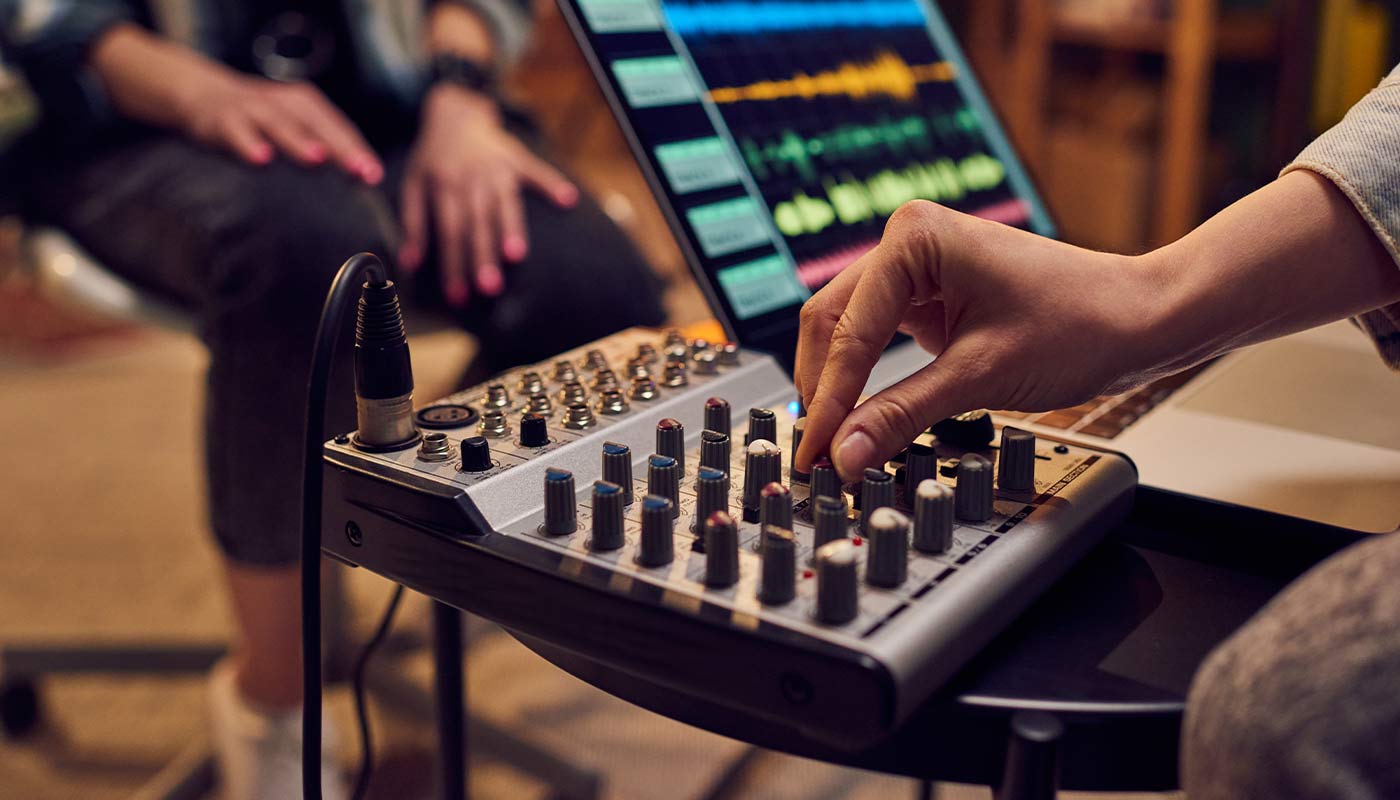
With music production software, artists can access everything they need—from virtual instruments and audio effects to mixing and mastering tools—all in one affordable package. Platforms like GarageBand, FL Studio, and Ableton Live allow artists to record, edit, and arrange their music without the steep costs.
For example, GarageBand is free on Mac and offers a super easy-to-use interface with tons of sounds. Independent artists can get started without spending a dime, which is a huge win for beginners who might not have the budget for an expensive studio setup.
2. Endless Creativity with Virtual Instruments and Plugins
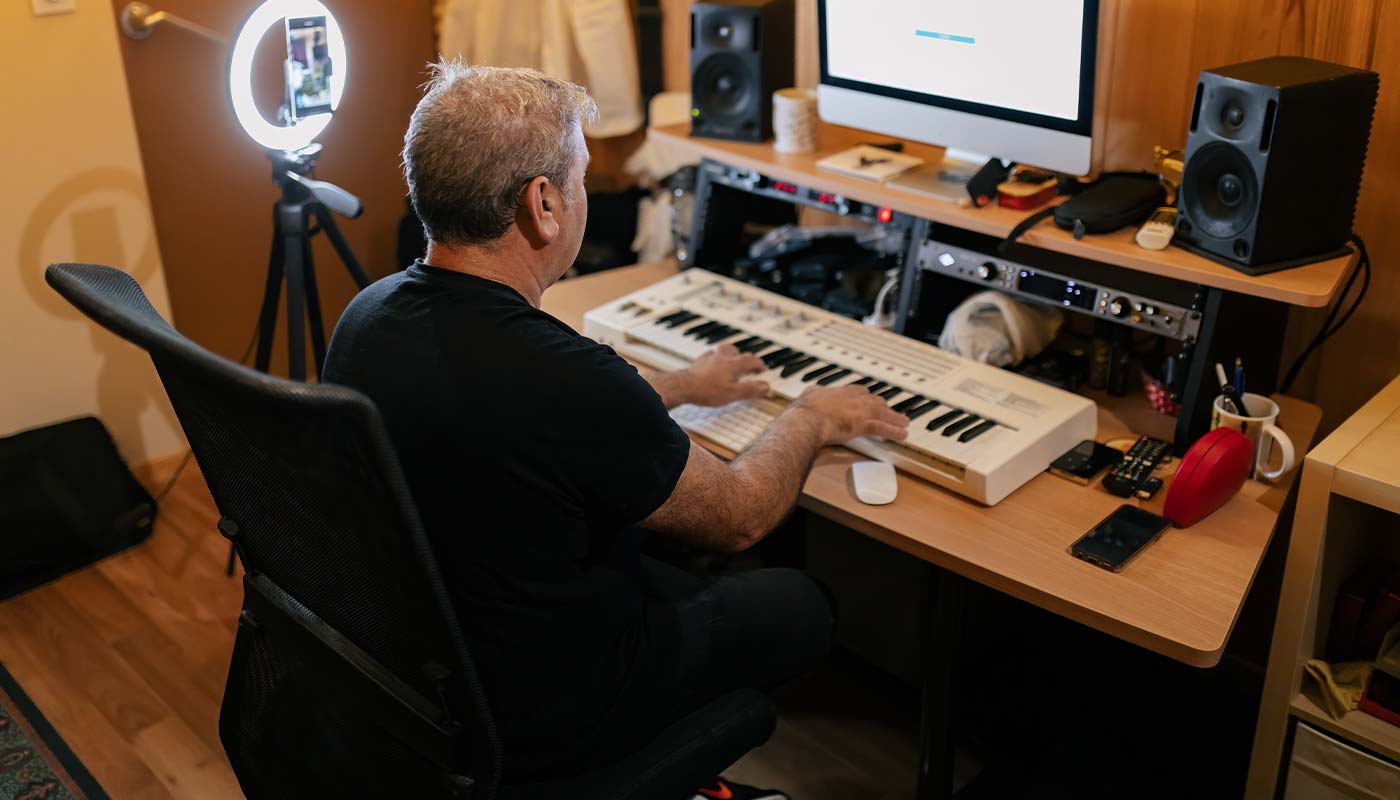
What’s so amazing about music production software is how much creative freedom it gives you. You no longer need to rely on physical instruments or hire musicians for every part of your track. With a few plugins and virtual instruments, you can create full compositions all by yourself!
Native Instruments Komplete, for example, gives you access to an entire library of virtual instruments, from pianos and drums to synths and orchestral sounds. Whether you’re crafting deep basslines or creating lush melodies, there’s a virtual instrument for just about every sound you can imagine.
Not to mention, Splice and Waves offer high-quality plugins to add special effects and polish to your mix. Whether you’re after reverb, delay, EQ, or compression, there’s a plugin that can help you achieve the perfect sound for your track. With so many tools at your fingertips, you can experiment and push your creative boundaries like never before.
3. Streamlined Collaboration Opportunities
Gone are the days when you had to fly halfway across the world to collaborate with other musicians. With cloud-based music production software, collaboration is easier than ever. Now, you can work with producers, songwriters, and musicians in real time—no matter where they are!
Take BandLab, for example. It’s a free, cloud-based DAW that allows you to collaborate with others in real time. Upload your tracks, invite collaborators, and edit everything in the same space. This is a game-changer for independent artists, especially those who don’t have access to a large network of collaborators locally.
Plus, platforms like Splice give you access to royalty-free samples that you can download, modify, and use in your projects. This means that independent artists have endless sounds, loops, and stems to choose from—without breaking the bank.
4. Distribution Made Simple
Getting your music out there used to be a hassle—without a record label, independent artists often struggled with distribution. But now? It’s way easier, thanks to music production software.
Services like TuneCore, DistroKid, and CD Baby let artists upload their music and distribute it directly to streaming platforms like Spotify, Apple Music, and YouTube. With just a few clicks, your music can be available worldwide. This makes it easy to release music on your own terms, without needing a middleman.
Some platforms, like BandLab, even offer built-in distribution features, so you can release your tracks directly from the platform. This means you can focus on creating music while handling everything else in one place—how cool is that?
5. Affordable and Accessible Mastering Tools
Mastering—yep, that final polish before releasing your track—used to be something only pros could afford. But now, music production software has made it so that anyone can master their tracks for a fraction of the cost.
Take iZotope Ozone, for example. It offers automated mastering tools that analyze your track and suggest adjustments like EQ, dynamic range control, and more. You can even manually fine-tune the details if you want. Independent artists can achieve that professional, radio-ready sound right from their home studios—without breaking the bank.
Plus, many DAWs like Ableton Live and Logic Pro X come with built-in mastering features, meaning you don’t need an external studio to give your tracks that polished finish.
6. Educational Resources and Community Support
The rise of music production software has also led to an explosion of online resources for learning. You don’t have to figure everything out on your own anymore—you can learn from others through tutorials, online courses, and vibrant communities.
Platforms like YouTube, Skillshare, and MasterClass offer tons of tutorials on everything from mixing to mastering, and sound design to music theory. You can also find supportive communities on places like Reddit, Gearslutz, and KVR Audio, where fellow artists share tips, tricks, and feedback.
With so many resources available, independent artists can quickly learn new skills, troubleshoot problems, and improve their craft—all without spending money on expensive lessons.
7. Empowerment Through Self-Promotion
In the past, artists relied on record labels and managers to handle all the business side of things. Now, independent artists can manage their own careers—promoting their work, building a fanbase, and even booking shows, all with the tools available to them.
Social media platforms like Instagram, TikTok, and YouTube give you direct access to your audience. By leveraging these platforms, you can share your music, engage with fans, and build your personal brand on your own terms. Tools like Hootsuite and Buffer make it easier to manage all your social media content in one place.
Plus, many music production tools include features that help with promotion, like album artwork generation or social media banners. That way, you can handle all aspects of your career, from the creative side to the business side, all in one spot.