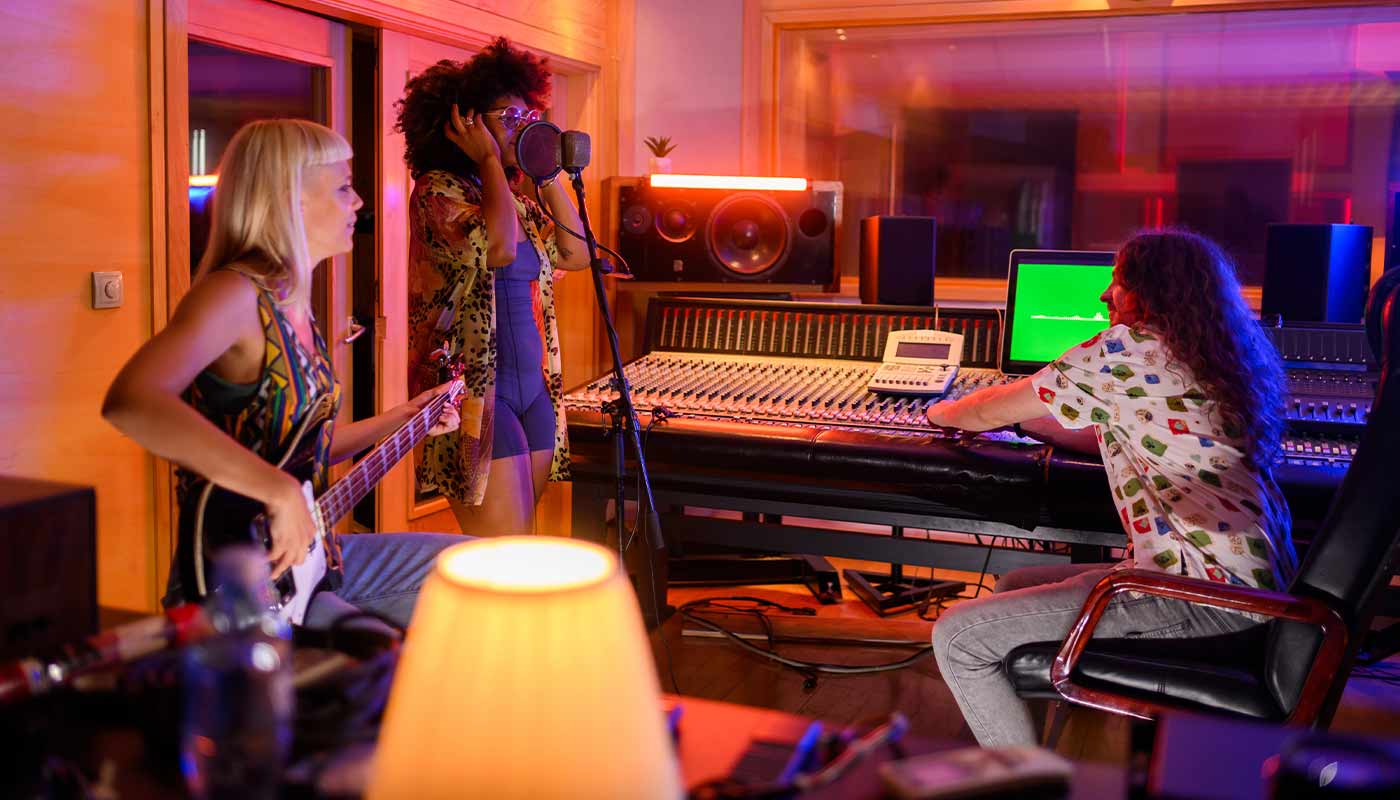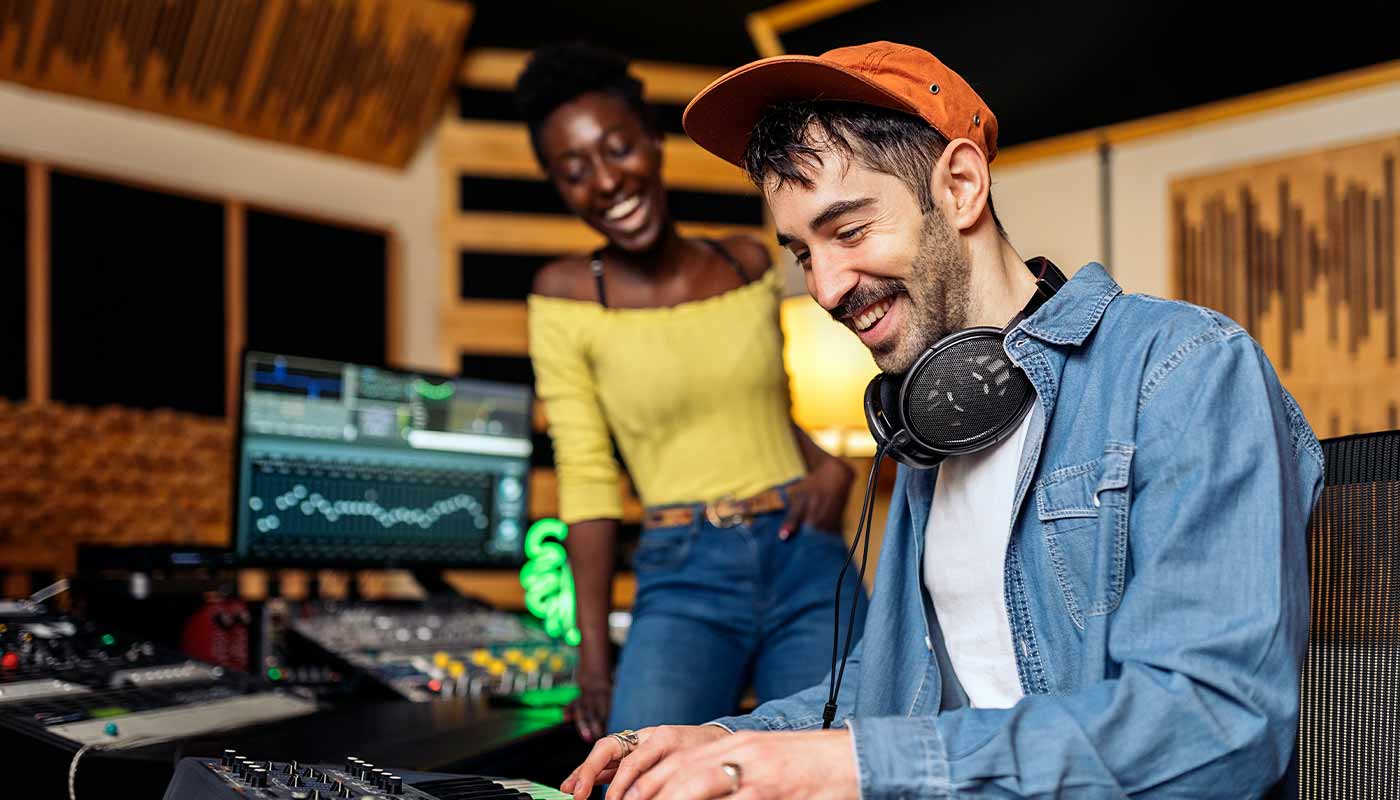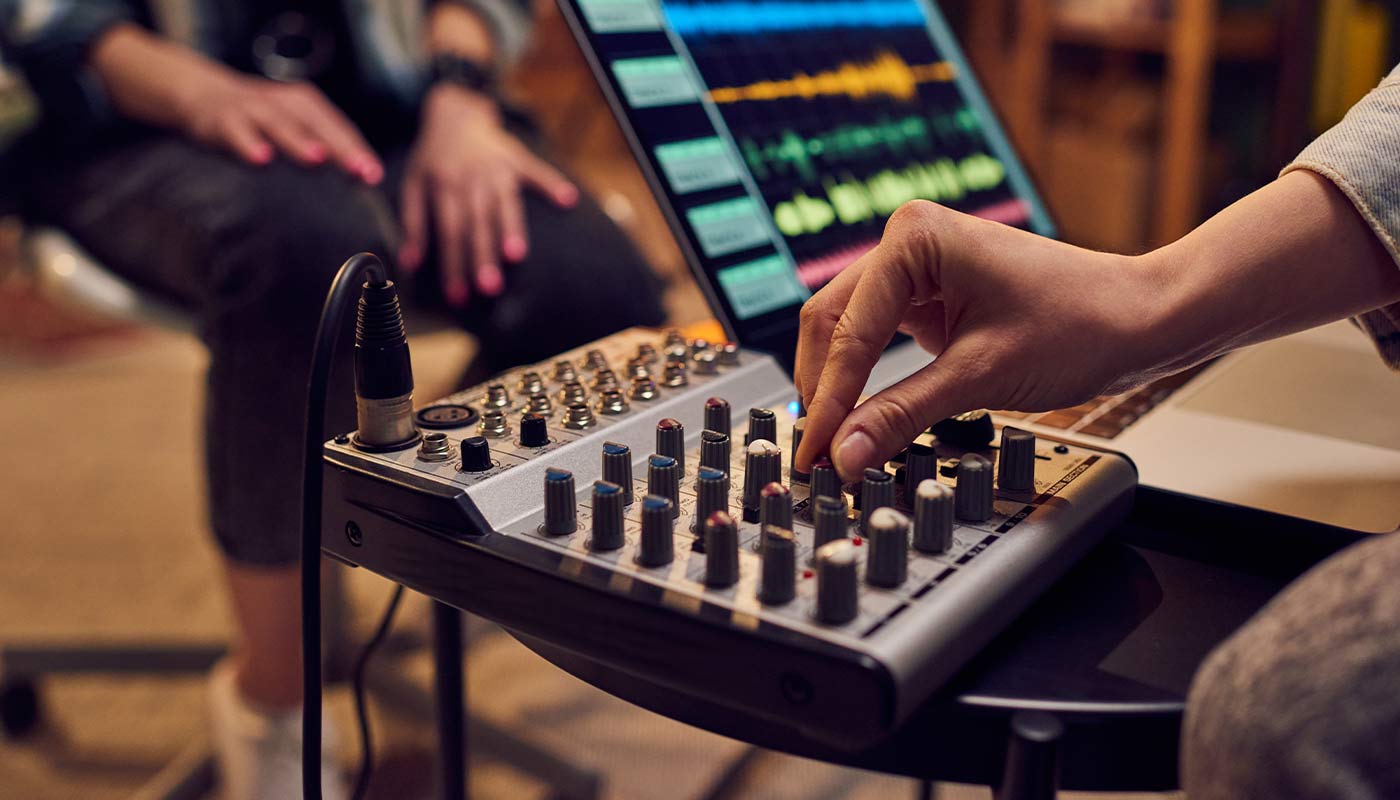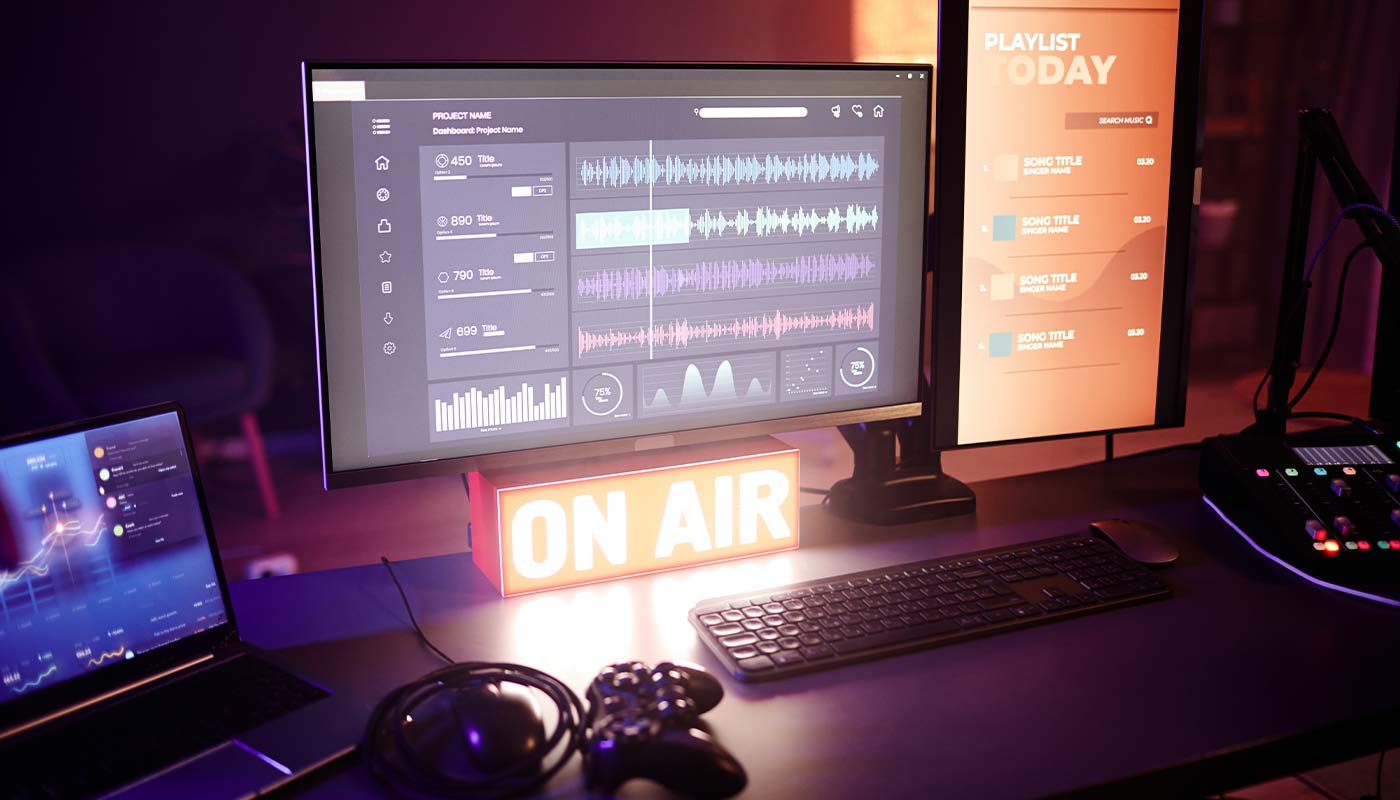
The music world has changed a lot over the years, right? Not too long ago, making music was all about huge, expensive equipment, endless tapes, and mixing consoles that looked like they belonged in a spaceship. Today, nearly everything happens in the digital realm, and music production software has made it possible for just about anyone to create and share their music from the comfort of their own homes.
So how did we get here? How did we go from analog tape machines to computers and software? Let’s take a journey through how music production software evolved, and how that shift from analog to digital completely transformed the music industry.
The Analog Era: Music Made with Machines
Before everything went digital, music production was all about analog equipment. Think massive mixing consoles, reel-to-reel tape machines, and racks of outboard gear. If you wanted to create music, you were working with physical equipment in a studio, and it was complicated.
Music was recorded on analog tape, and once you hit "record," you were pretty much committed. Want to change something? Well, it wasn’t as easy as clicking “undo.” You had to physically cut the tape and splice it together, or re-record the entire track. It took a lot of time, effort, and serious technical skill.
But, there was something special about analog. There’s that warmth to the sound that some people still swear by. Even though it was a slow and costly process, this is how legendary albums were made—like the iconic albums of the ‘60s and ‘70s. It had its charm, and some producers still prefer it to this day.
Enter the Digital Age: Birth of the DAW
In the 1980s, digital technology started to creep into the world of music production, and everything began to change. Enter DAWs—or digital audio workstations. These were the first big steps away from analog, offering producers the chance to record, edit, and arrange their music on a computer instead of tape.
The first big DAW, Pro Tools, launched in 1989, was a game-changer. Suddenly, producers could record digital audio in a way that was faster, cleaner, and more precise than ever before. It allowed for easy editing, like cutting, copying, and pasting sounds with just a button. This was lightyears ahead of the old analog tape setup, where everything had to be physically cut and spliced.
But let’s be real: when digital first arrived, the sound quality wasn’t quite as warm or “authentic” as analog. A lot of producers were hesitant to fully switch over because they thought digital sounded too “cold.” But with time, software got better, and digital music production became more popular and widely accepted.
The Rise of the Digital DAWs
By the mid-1990s, digital music production software began to really pick up steam. Popular DAWs like Logic Pro, Cubase, and Sonar hit the market, and they started to bring new features that opened the door for both professionals and amateurs alike. For the first time, producers could record music entirely digitally, store it on a computer, and make endless edits.
This was a huge deal for creativity. You didn’t have to worry about wasting tape or messing up a track because everything could be saved and revisited at any time. The process became far more flexible, and MIDI technology helped producers incorporate all kinds of virtual instruments and synthesizers directly into their projects.
Now, you could create entire tracks with only your computer—no need for huge, expensive setups. For musicians on a budget, this opened up huge possibilities.
Home Studios and the Democratization of Music Production
Fast forward to the early 2000s, and music production software was everywhere. Computers were faster, storage was cheaper, and sound quality had vastly improved. This opened the door for home studios to explode. Suddenly, bedroom producers could create music that sounded just as polished as what was coming out of expensive commercial studios.
FL Studio, Ableton Live, and even GarageBand became super popular because they offered affordable software that gave producers all the tools they needed to make professional music. A home studio setup was all it took to start making music that could compete with the best.
The ability to experiment in a more affordable way meant that people from all walks of life—musicians, producers, and hobbyists—could make and share their music. The barriers to entry had never been lower.
Today: Sophisticated Software for All Levels
By 2025, music production software has reached mind-blowing levels of sophistication. Today’s DAWs like Ableton Live, Logic Pro X, and Pro Tools offer a wealth of tools, from advanced mixing and mastering to MIDI editing and sound design. There’s no limit to what you can do.
In fact, the AI revolution is starting to take hold in music production. Tools that suggest chord progressions, help you auto-mix your tracks, or even generate entire melodies are becoming more common. While some producers still prefer the traditional hands-on approach, others are using these AI tools to quickly generate ideas and get inspired.
Modern DAWs now come with all-in-one setups. You get access to virtual instruments, plugins, and effects all in one place, so you don’t need a ton of gear or outboard hardware. It’s like having an entire music studio right at your fingertips.
But while digital tools are incredibly advanced, there’s still something about the analog warmth that makes it nostalgic. Some producers still prefer the texture that comes from using analog equipment, so the debate between analog and digital continues in some circles. That being said, it’s clear that digital tools have taken over, making music production faster, more efficient, and more accessible than ever.
The Future of Music Production: What's Next?
Looking ahead, we can expect music production software to continue evolving. Cloud-based DAWs will make it even easier to collaborate with producers all around the world. AI tools will only get smarter, providing producers with more creative options. And who knows? Maybe one day we’ll see even more immersive music production with the help of virtual reality or augmented reality.
But no matter where it goes, the heart of music production will always remain in the creative process. Whether you’re using analog gear or the latest digital DAW, the magic happens when the music flows from your mind to your music software.