The music world has always been one of innovation and creativity. From the invention of the electric guitar to the rise of digital audio workstations (DAWs), technology has been constantly shaping the way we make and listen to music. But recently, there’s been a huge shift happening with the rise of artificial intelligence (AI) in music production.
AI is no longer just some sci-fi concept. It’s real, and it’s already starting to make waves in how music is created, produced, and experienced. So, what’s all the buzz about, and how is AI really changing the music industry? Let’s dive in.
1. AI in Music Composition: Your New Creative Partner
Let’s start with the fun part—creating music. In the past, if you wanted to compose a song, it required a deep understanding of theory, instruments, and hours spent writing and refining. Now, with AI tools like Amper Music, MuseNet, and AIVA, anyone can generate music—even if they don’t have a background in theory or an expensive studio setup.
It’s kind of like having a musical sidekick that can help you bust through writer's block. You don’t have to be a pro composer anymore. Just feed in a few parameters, and voilà—a track is ready for you to tweak, enhance, or build upon.
That said, AI isn’t replacing the heart and soul of music—it’s just here to help. Think of it as a creative boost, offering suggestions, ideas, and inspiration when you need it most.
2. AI in Music Production: Fast-Tracking the Process
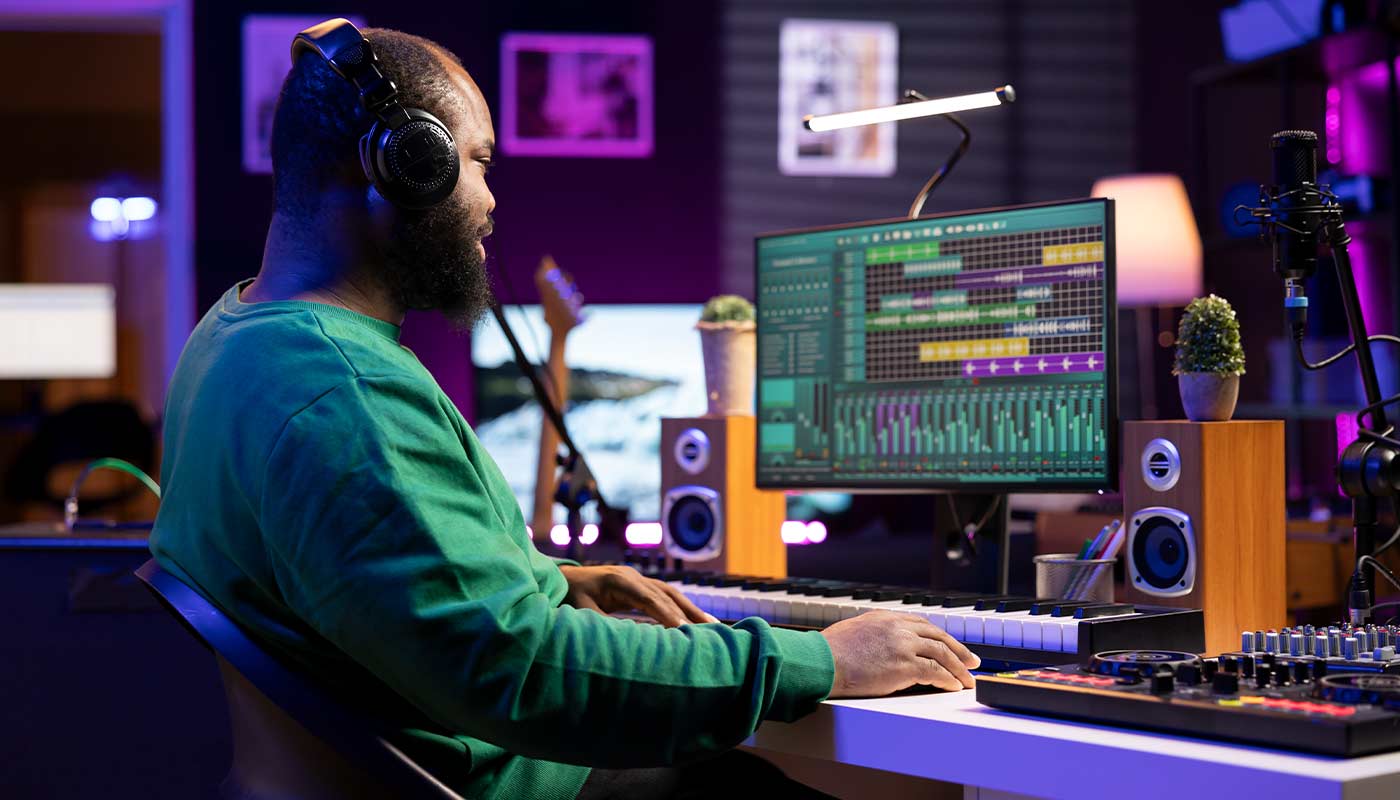
Once your track is composed, it’s time to get into production. Traditionally, this can be a long process—recording, mixing, and mastering. It takes skill and experience, and sometimes, it can feel like a never-ending loop of tweaking. But AI is now making things much faster and easier.
With tools like iZotope Ozone and LANDR, AI can automatically adjust things like EQ, dynamics, and balance to make your track sound professional without needing an expert. That means you don’t have to spend hours getting every little thing perfect—AI handles a lot of the heavy lifting, leaving you more time to focus on what matters: your music.
So yeah, you can still mix your own tracks if you want, but these AI tools give you the option to get professional-quality results with less time and effort. It's like having a super-smart sound engineer right in your pocket!
3. AI and Music Discovery: Finding New Tunes Just for You
We all love finding new music, right? That moment when you hear a track and think, “Wow, how did I not know about this?” Well, AI is making this discovery process smarter and easier than ever.
Streaming platforms like Spotify and Apple Music use machine learning to recommend songs that you’ll love based on your listening history. The more you listen, the more personalized the suggestions get. It's like your favorite streaming platform just knows you and keeps bringing you fresh tracks that you’ll want to add to your playlist.
But it’s not just about listening habits. AI also helps these platforms spot up-and-coming artists and new trends in the music world. That means hidden gems—artists and genres that might not have been discovered otherwise—can now make their way to your ears. Pretty cool, right?
4. AI in Music Marketing: Targeting the Right Audience
Music marketing has always been a bit of a puzzle. In the past, artists had to rely on traditional ads, radio play, and lots of trial and error to get their music in front of the right people. Now, AI is making music marketing smarter.
Platforms like Facebook, Instagram, and Google use AI to analyze user data and show ads to the people most likely to enjoy your music. This means artists can run campaigns that are more focused and cost-effective, getting their music in front of the right audience without wasting time or money.
It’s not just about ads, either. AI helps artists track their social media engagement and understand what their audience wants. It’s like having a marketing assistant who knows exactly what’s working, so you can keep growing your fanbase.
5. Can AI Replace Human Emotion in Music?
Okay, here’s the big question: can AI really replace the emotion behind a song? After all, music is not just about catchy hooks or cool beats—it’s about connection. It’s about the feeling a song gives you. So, can a machine really get that right?
While AI is amazing at creating music and suggesting ideas, it can’t feel the emotion behind a song the way humans can. Songs like “Someone Like You” by Adele or “Bohemian Rhapsody” by Queen resonate because of the personal stories and emotions behind them. AI just doesn’t have those experiences to draw from.
So while AI can create a catchy tune or unique beats, it won’t ever capture the raw emotion that artists pour into their music. The heart of music will always come from human expression.
6. AI as a Tool for Artists, Not a Competitor
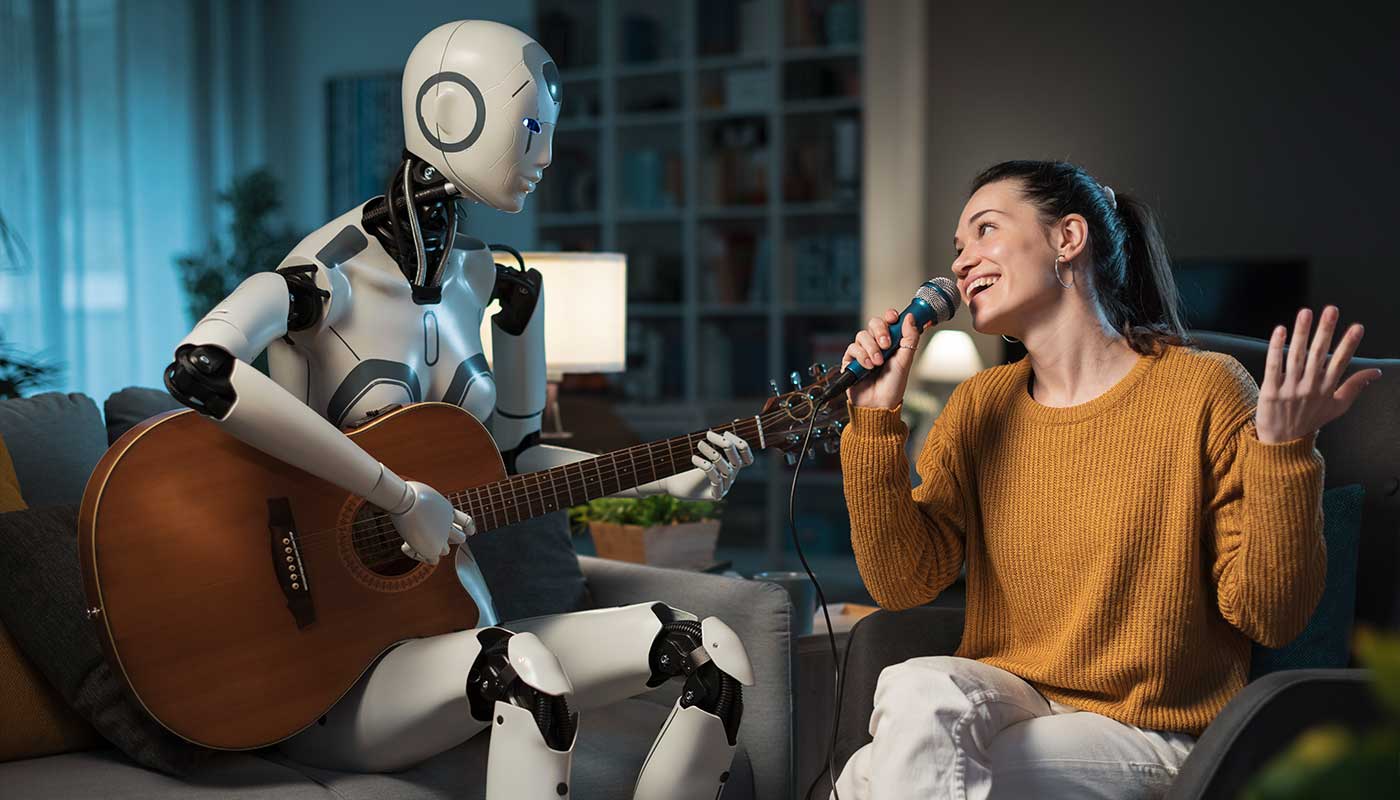
It’s important to remember that AI isn’t here to replace artists—it’s here to help them. Just like you might use software to enhance your audio or tweak your mix, AI is another tool in your creative toolkit. It can help you come up with ideas, save time, and break through creative blocks, but the final piece of the puzzle—the unique sound and feeling—will always come from you.
Think of AI as your creative assistant. It’s there to provide inspiration, speed up the process, and take care of some of the technical details. It’s collaboration, not competition.
7. What’s Next for AI in Music?
As AI continues to improve, the possibilities are endless. In the future, we could see real-time AI-generated live performances, where the music adapts to the crowd’s energy or mood. Imagine a concert where the beats change depending on the reactions of the audience. It could be the ultimate interactive music experience!
AI could also help create more personalized music experiences, where tracks are generated on the fly to match the listener’s mood, environment, or preferences. Picture AI creating a soundtrack for your morning commute or a relaxing tune for when you need to unwind after a long day.
The future is exciting, and AI is going to continue to push the boundaries of what’s possible in music. But don’t worry—while AI might be able to speed things up and help with creation, the soul of music will always come from the artist.
Conclusion
AI is making a big impact in music production, helping artists, producers, and listeners experience music in new ways. Whether it’s speeding up production, helping with creative ideas, or enhancing the listening experience, AI is proving to be a valuable tool in the music industry. But AI isn’t here to replace the emotions and stories that make music so special. It’s here to enhance the creative process, offer new tools, and help artists reach their full potential.
The future of AI in music is bright, and it’s only going to get more interesting. But one thing is for sure: music will always be about the human experience—AI is just here to make it easier and more exciting.