The music industry has been a space for creativity and innovation for centuries. Yet, in recent years, one of the most significant changes has come from an unlikely source: artificial intelligence (AI). What once seemed like a distant dream—machines creating and assisting in music creation—has now become a reality. AI is not just a buzzword in the tech world anymore; it’s making its way into how music is composed, produced, consumed, and even marketed.
In this article, we’re going to explore how AI is making its mark on the music industry, and why it’s making waves. From music creation to discovering new tracks, AI is influencing every corner of the industry. But will it replace human creativity, or will it act as a tool to enhance the music-making process?
1. AI in Music Composition: Unlocking New Creative Possibilities
For centuries, creating music was the job of composers, musicians, and songwriters. It required talent, skill, and deep emotional connection to create something that could resonate with others. But now, AI is adding a whole new dimension to how music is composed.
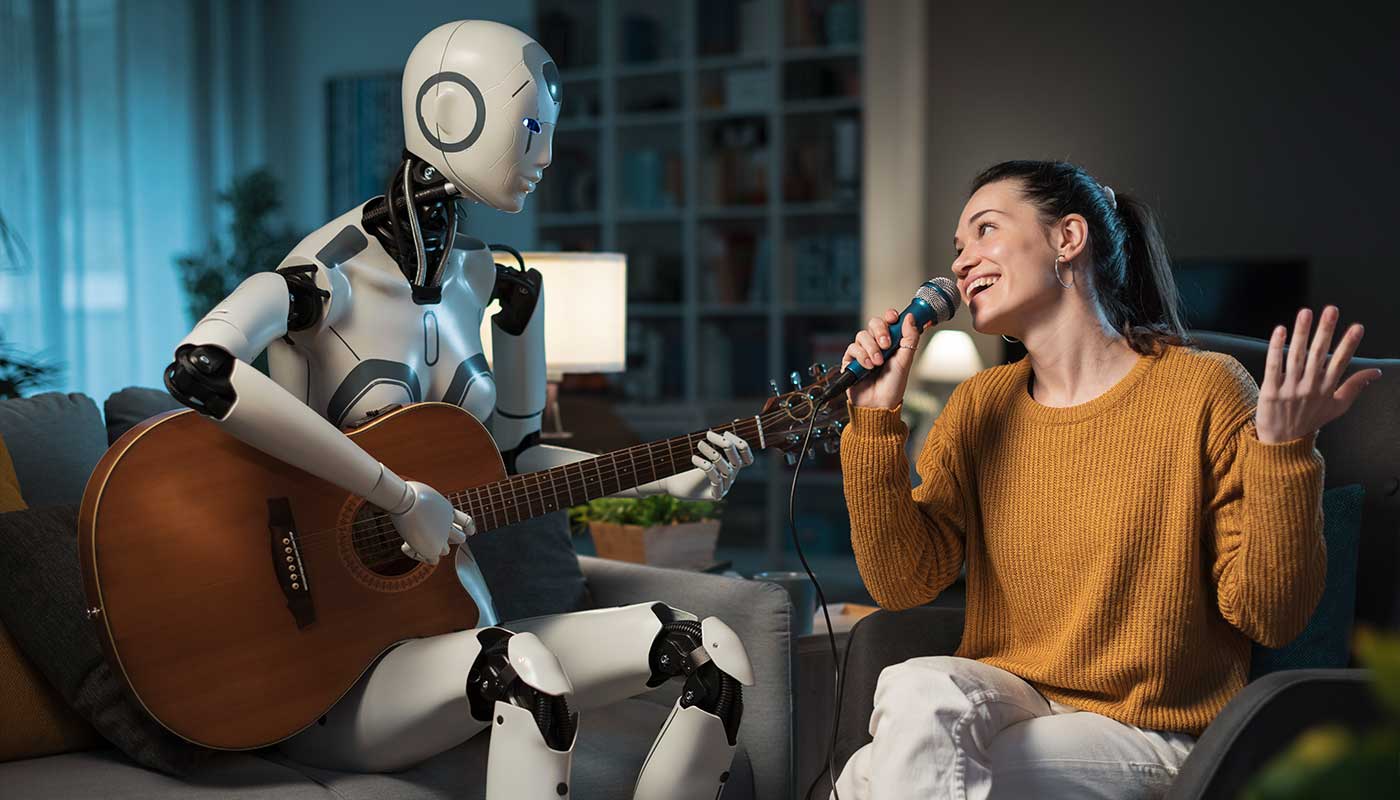
AI-powered music composition tools like Amper Music, AIVA (Artificial Intelligence Virtual Artist), and MuseNet are giving musicians a new creative partner.
These tools can generate entire songs, from melodies to harmonies, based on a few simple inputs like mood, genre, or tempo. They take inputs like genre, mood, and tempo, and churn out melodies, harmonies, and full-length tracks.
But, can AI truly replace a human composer? No, but it’s a tool that enhances the creative process. For artists, AI acts like an assistant—suggesting melodies, generating musical ideas, and breaking creative blocks. It helps producers quickly explore new ideas or experiment with different styles of music, without having to start from scratch every time.
For example, Amper Music is widely used by content creators and video producers who need music but lack the resources to compose it themselves. These AI tools help democratize music creation, making it accessible to more people, whether they’re seasoned musicians or beginners.
2. AI in Music Production: Speeding Things Up
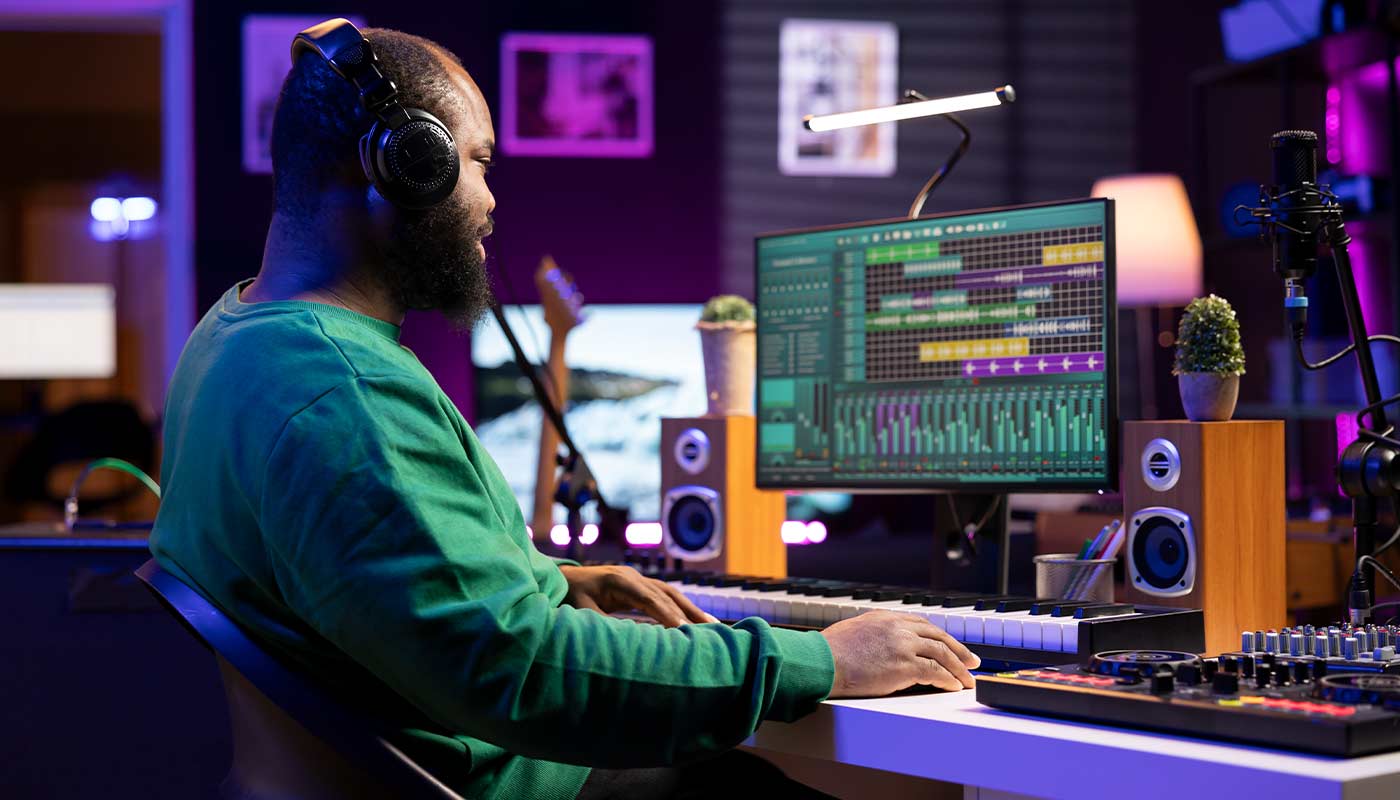
Music production is a complicated process, often involving several stages—recording, mixing, mastering, and editing. For years, producers have needed high-end equipment and technical expertise to get that polished, professional sound. But now, AI is making this process quicker and more efficient.
AI-powered software like iZotope Ozone and LANDR can assist in mixing and mastering music. These tools analyze your tracks and automatically adjust elements like EQ, compression, and reverb to make your music sound polished and professional. It’s like having a professional sound engineer at your disposal without the steep costs or long hours.
This doesn’t mean AI is replacing human engineers. Rather, it’s automating tedious tasks that used to take hours, freeing up time for musicians and producers to focus on the creative side. And for those who aren’t experts in mixing or mastering, AI offers a way to achieve a more polished sound with minimal technical know-how.
3. AI in Music Discovery: Personalizing Our Listening Experience
We’ve all experienced the magic of hearing a new song that we instantly fall in love with. How do music platforms know what songs to recommend? It’s all thanks to AI and machine learning algorithms.
AI plays a key role in how music streaming platforms like Spotify, Apple Music, and YouTube Music recommend tracks to users. These platforms analyze your listening habits and match them with other songs that have similar characteristics. Over time, the system learns more about your preferences, making the recommendations more accurate.
For example, Spotify’s Discover Weekly playlist is a perfect example of how AI learns from your listening behavior and suggests songs you’re most likely to enjoy. It looks at data points such as songs you've liked, skipped, and the type of music you play most frequently.
AI’s role in music discovery doesn’t stop there. It also helps platforms identify emerging trends in the music industry by analyzing massive datasets from listeners all around the world. By doing this, platforms can identify new artists and genres that may not have otherwise received mainstream attention.
4. AI in Music Marketing: Reaching the Right Fans
Music marketing has always been a bit tricky. In the past, artists had to rely on traditional methods like radio ads and TV spots to get their music heard. But now, AI is making music marketing smarter.
Platforms like Facebook, Instagram, and Google use AI to target ads to the right audience based on their listening habits, interests, and behavior. So instead of casting a wide net and hoping someone bites, artists can now run more personalized campaigns that speak directly to fans who will actually connect with their music.
AI also helps artists understand what content resonates with their audience. If you post something on social media, AI can analyze the engagement and suggest ways to improve your next post or campaign. In a nutshell, AI is helping artists get their music to the right people more effectively and with less effort.
5. Can AI Replace Human Emotion in Music?
While AI is doing wonders in music creation and production, there are still some challenges to consider. One of the most pressing concerns is whether AI can truly replace the emotion that human artists bring to their music.
Music isn’t just about notes and rhythms—it’s about the feelings and stories behind the sound. AI can analyze and replicate patterns in music, but it can’t capture the human experience that forms the heart of every great song.
AI might be able to produce a catchy tune or even replicate a genre, but it can’t replace the soul of a song. So, while AI is a valuable tool for artists, it won’t ever be able to truly replicate the deep human connection that music provides.
6. The Future: What’s Next for AI and Music?
AI’s role in music is only just beginning. As the technology continues to improve, we can expect to see even more advanced tools that will help artists, producers, and listeners.
In the future, we might see AI-generated live performances, where the music adapts to the audience's energy in real-time. Maybe someday, AI could help artists create personalized music for individual listeners, based on their mood or preferences.
In the future, AI could even help artists create new genres of music by blending different styles and sounds in ways we’ve never thought of before. The possibilities are endless!
But one thing is clear: AI is not replacing human creativity. It’s just here to enhance it. The future of music is bright, and AI is a huge part of that future. But at the end of the day, the soul of music will always come from human creativity—AI just helps make it easier and more exciting.