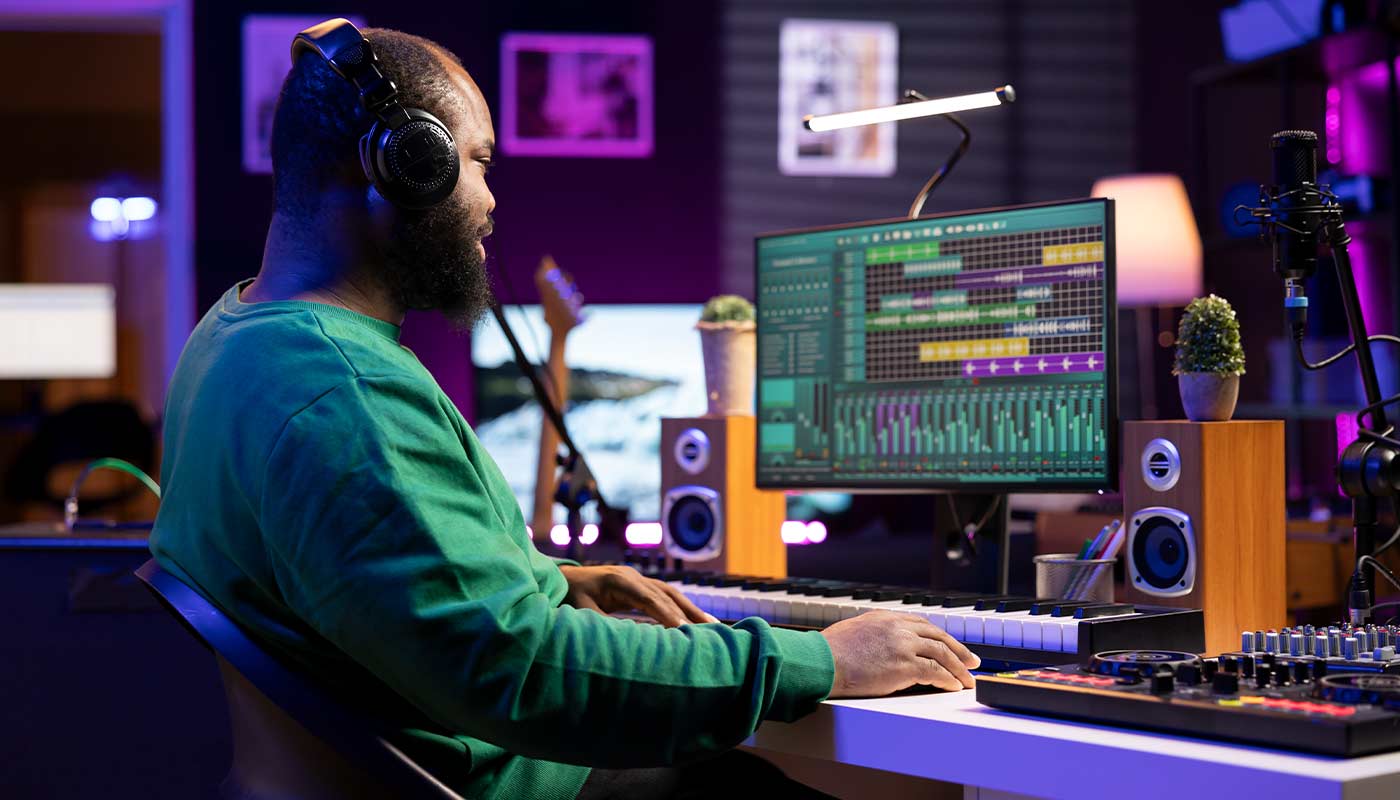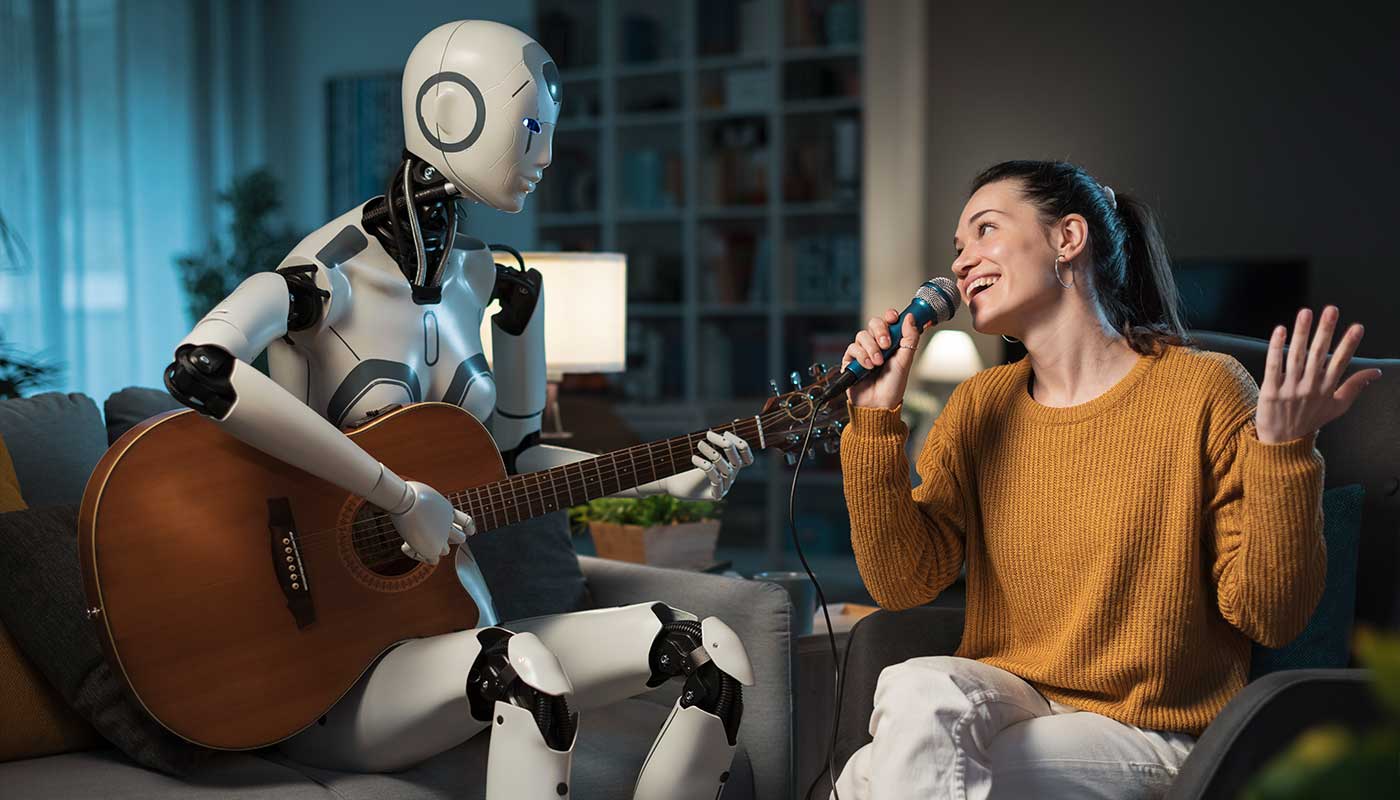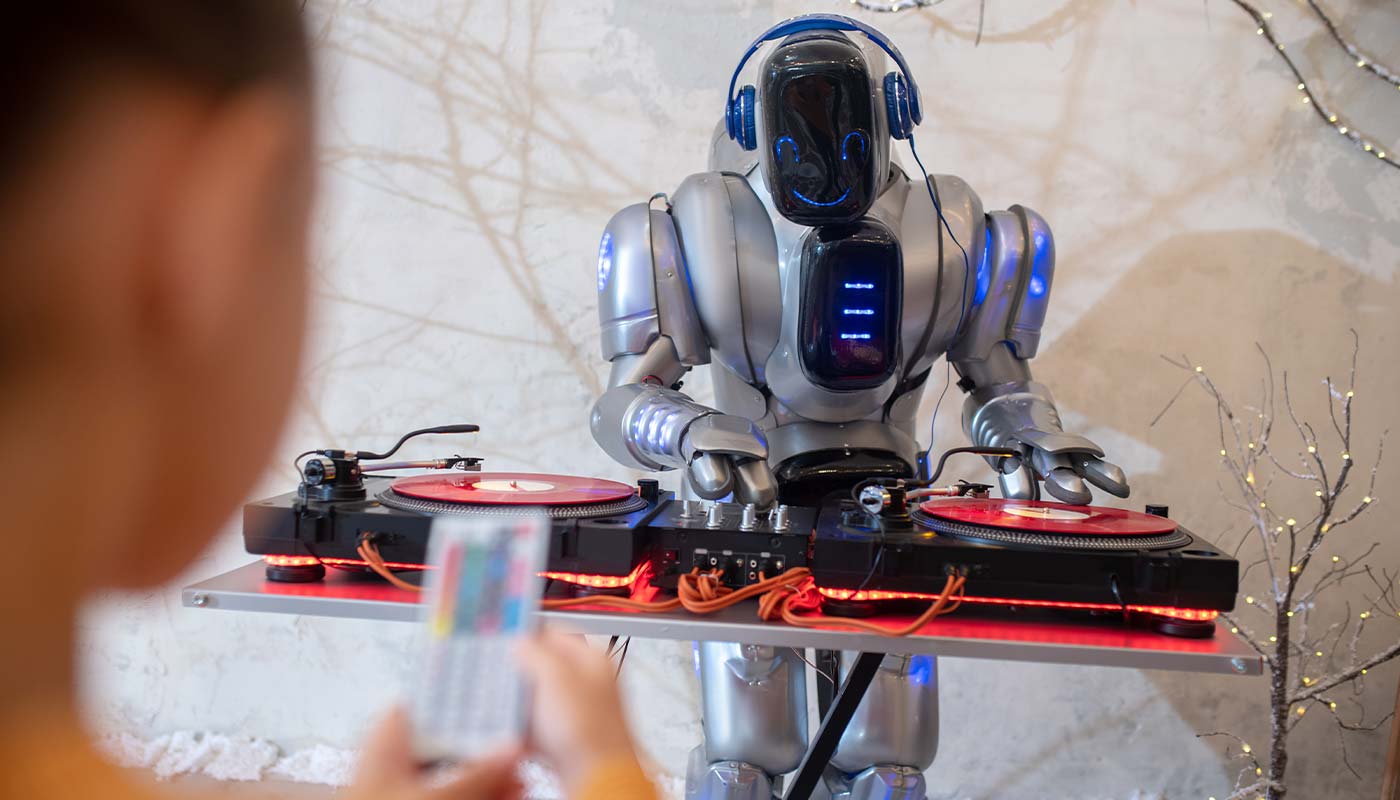
If you’ve been keeping an eye on the music industry lately, you might have noticed a new trend popping up: AI-generated music. Yep, machines are starting to compose music, and it’s pretty mind-blowing! But here’s the big question—can AI write a hit song? Can a machine create music that resonates with millions of people and climbs the charts?
Well, while AI is impressively good at making music, there’s still a long way to go before it replaces human creativity. Let’s take a closer look at how AI is being used in music creation and whether it’s ready to produce the next big hit.
1. How AI is Making Music: A Sneak Peek Into the Process
Let’s start with the basics—how does AI actually make music? Well, it’s not like a robot sitting at a piano and composing away. Instead, AI tools use something called machine learning. Basically, the AI looks at tons of existing music—thousands, sometimes millions of tracks—and learns the patterns in melodies, harmonies, rhythms, and lyrics.
With this knowledge, AI can generate new music based on these patterns, mixing and matching them to create a fresh track. So, whether you want a pop song, classical piece, or something in between, AI can whip up a track based on parameters you give it, like tempo, genre, or mood. Pretty neat, huh?
Some AI music tools, like Amper Music, MuseNet, and AIVA, allow users to create music by simply plugging in a few details and letting the AI do the rest. You don’t need to be a music expert to get started—just a bit of creativity and the right prompts.
2. The Question on Everyone’s Mind: Can AI Write a Hit?
Now, let’s get to the juicy part: Can AI actually write a hit song? Well, the truth is a bit tricky. AI can generate great music, sure, but writing a hit song—something that connects with people on a deep, emotional level—isn’t so easy for a machine.
Think about your favorite hits: songs like “Shape of You” by Ed Sheeran or “Someone Like You” by Adele. What makes these songs stand out isn’t just the melody or beat; it’s the emotion behind them. You can feel the story, the personal experiences, and the soul behind the music.
Here’s the thing: AI doesn’t have feelings. It can create catchy tunes, but it doesn’t know what it’s like to fall in love or experience heartbreak. So while AI can help you come up with melodies, it can’t fully capture the emotional depth that a human artist can bring. It’s more like an amazing tool that assists rather than replacing.
AI Can Create the Beat, but You Bring the Soul
It’s like having an assistant who can help you write, but you’re still the one who adds the personal touch. AI can speed up the process, spark new ideas, and help you try new things. But when it comes to a hit song that everyone’s humming, the heart of the music is still in the hands of the artist.
3. The Science of AI in Music: Why It’s Not Just Magic
You might be wondering, “How does AI actually know what a good song sounds like?” Well, it’s all about the data. AI learns from the music it’s been trained on—think of it like studying for a test. The more music it “listens” to, the better it gets at predicting what might work in a new track.
The more data AI has, the more it can spot patterns in melodies, chord progressions, and even how songs build tension and resolve it. That’s why AI can generate music that sounds familiar and professional—it’s simply recreating what it’s learned from the vast amount of existing music out there.
But, and this is a big but, AI doesn’t bring anything new to the table. It doesn’t have the same sense of innovation or creativity that a human artist might have. It can copy what it’s learned, but it can’t think outside the box the way a person can.
4. Can AI Really Replace Human Creativity?
Okay, so it seems like AI is pretty cool, but is it going to take over the music industry? The short answer is no, and here’s why: while AI can help with the technical side of things, like composing melodies or mixing, it can’t replace the human creativity behind great music.
Music is about connection, emotion, and storytelling. It’s about the artist’s experiences and how they express them through sound. AI, as clever as it is, can’t replace that human element.
So, no, we’re not going to see AI dominating the charts anytime soon. But it can help artists get their ideas out more quickly and with less technical hassle. It’s like a creative partner that helps move things along without taking over the whole process.
5. The Role of AI in the Future of Music
Even though AI might not be writing chart-topping hits by itself, it’s still changing how music is made and accessibility is a big part of that. With AI tools, musicians who might not have access to expensive studio time or equipment can create professional-quality tracks in their own home.
As the technology continues to improve, we’re going to see more innovative uses for AI in music. Imagine real-time AI-generated soundtracks for movies, interactive concerts where the music adapts to the audience, or even AI-generated music that changes depending on your mood or activity. The possibilities are endless!
But here’s the thing: no matter how much AI can do, the soul of music will always come from the human artist. AI helps with the technicalities, but the emotion and authenticity of music will always come from the artist.
6. Embracing AI: A Tool, Not a Threat
At the end of the day, AI isn’t here to take over music—it’s here to help. Whether it’s generating new ideas, speeding up production, or assisting with mastering, AI is an incredible tool for artists to use. But the real magic of music comes from the stories we tell, the emotions we share, and the creativity we pour into our work.
AI might assist in creating the next catchy tune, but it’s the human spirit that makes music unforgettable.