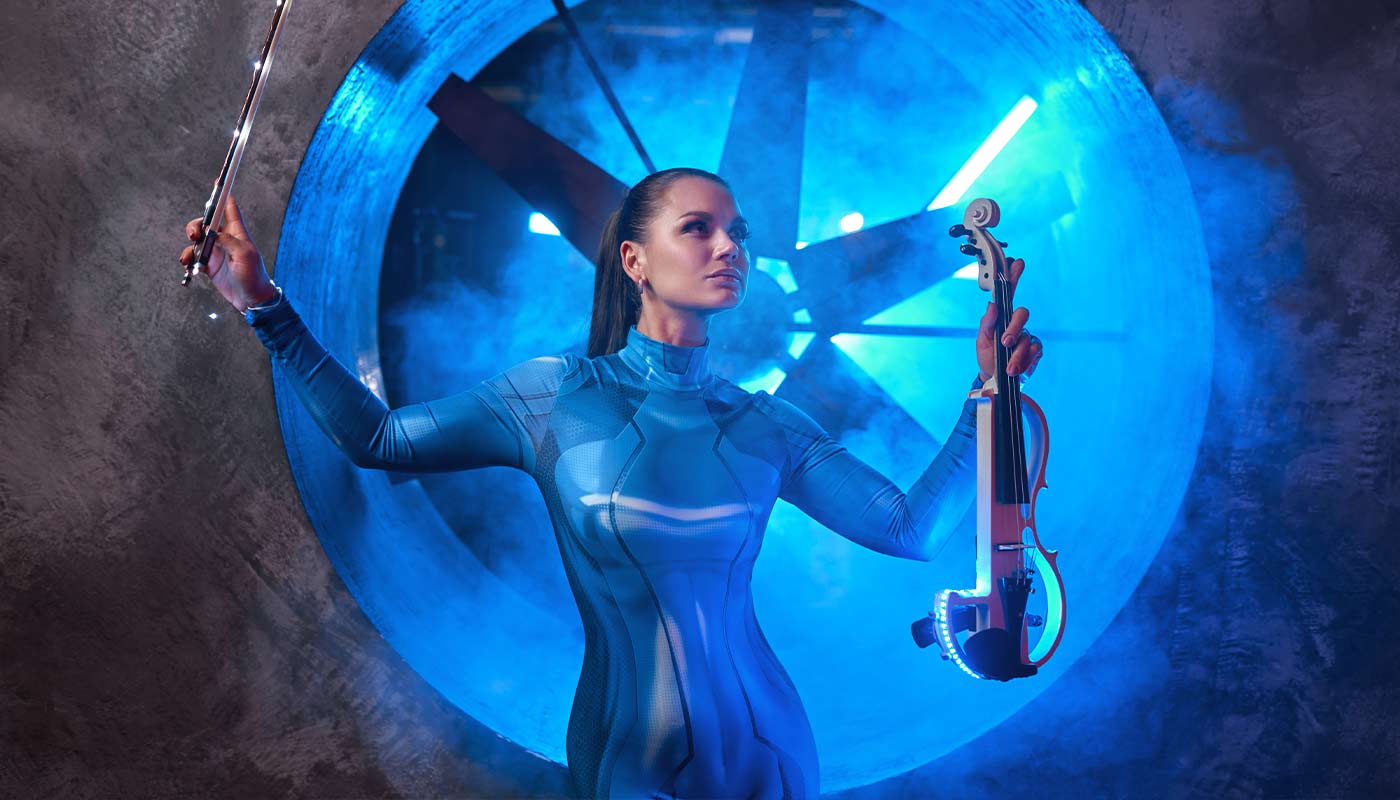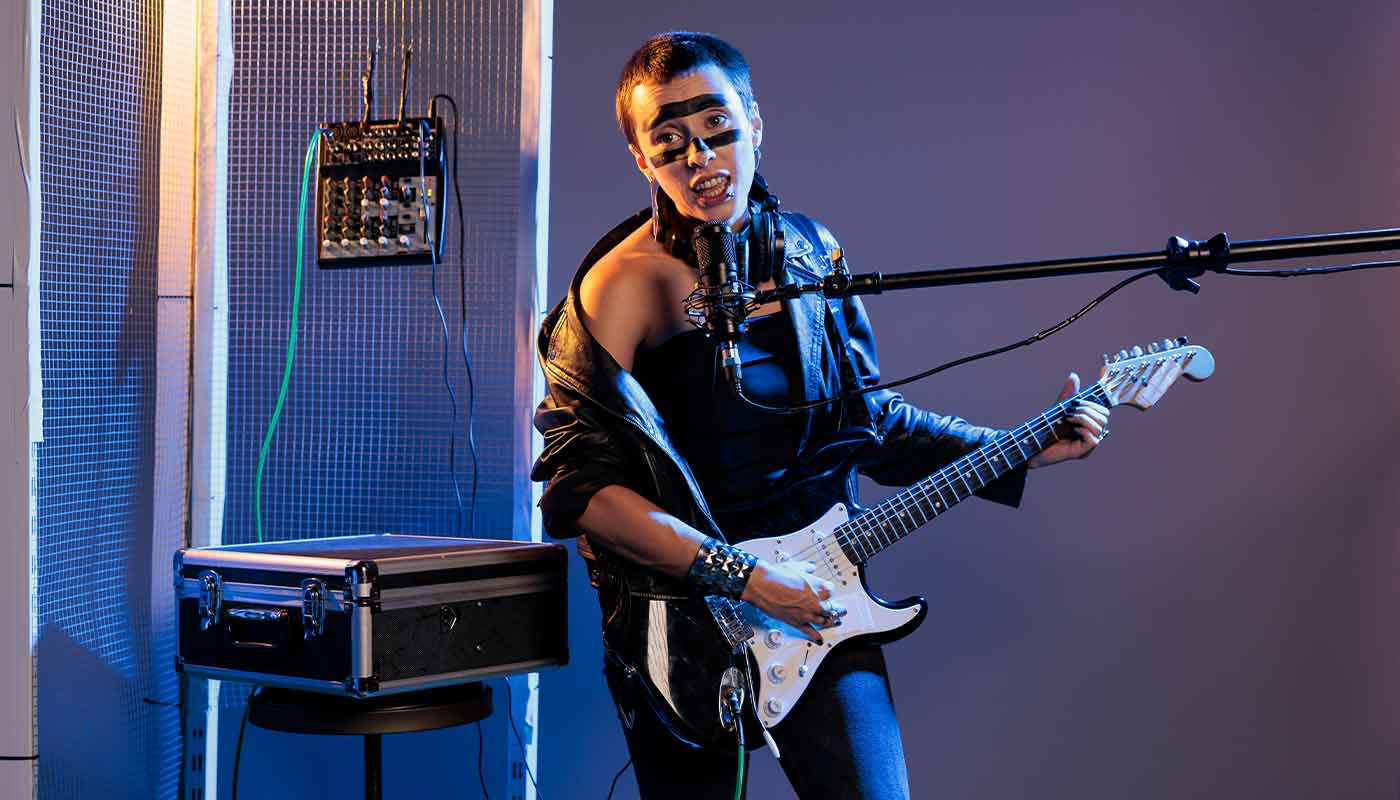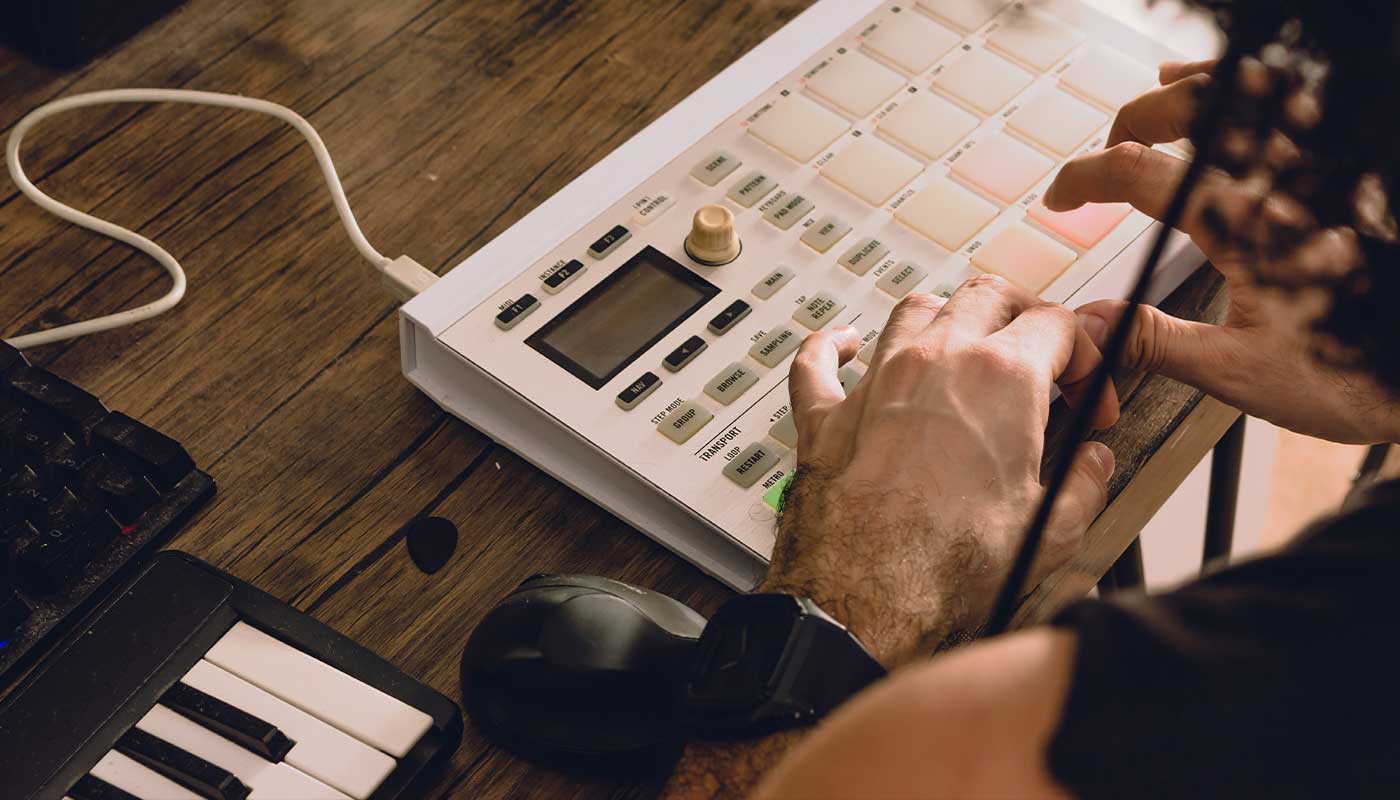
Let’s be honest—music tech has gone through a serious glow-up. We’ve come a long way from bulky synths with spaghetti cables to slick, motion-sensitive gear that feels straight out of a sci-fi movie. Whether you’re a beatmaker, a stage performer, or just a curious tinkerer, the tools at your fingertips today are cooler (and weirder) than ever.
MIDI: The OG Connector
Picture this: it’s 1983, big hair is in, and MIDI just hit the scene. Musicians went from juggling disconnected gear to suddenly syncing keyboards, drum machines, and sequencers like magic. It was like giving your instruments a secret handshake—they finally spoke the same language.
Even now, decades later, MIDI’s still going strong. It's the invisible thread behind digital setups, connecting everything from your DAW to your lighting rig. If you’ve ever played a virtual piano on your laptop or triggered a drum loop with a pad, you’ve used MIDI. Simple idea, big impact.
From Hardware Heaven to Software Everything
Fast forward a bit, and things started shrinking—physically, at least. The ‘90s and 2000s were all about moving from gear-filled studios to laptop setups. DAWs like Ableton, Logic, and FL Studio became the new playgrounds, and VSTs turned computers into sonic Swiss Army knives.
And let’s not forget controllers. Launchpads, pad grids, mini keyboards—they made playing digital sounds feel hands-on again. No more mouse-clicking through melodies. You could tap, slide, and smash buttons like a kid in a candy store (but, you know, musically).
Touchscreens and Squishy Keyboards
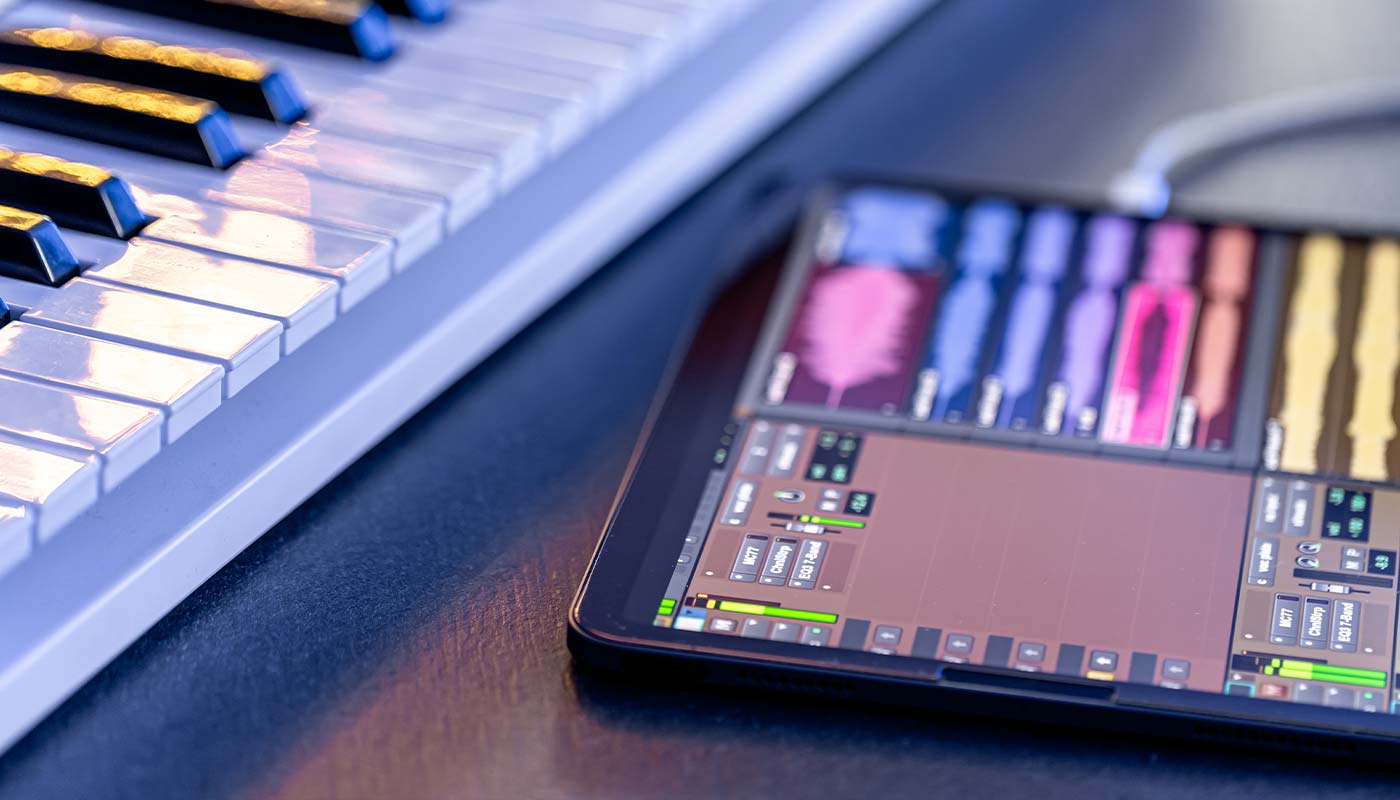
Then came touch. iPads, iPhones, and tablets brought music tools to your fingertips—literally. Apps like Animoog or GarageBand made it easy to sketch out tracks on the go.
But the real magic? Touch-sensitive hardware. The Roli Seaboard flipped the script on piano keys, replacing them with a soft, bendy surface that reacts to how you play—press harder, slide your finger, wiggle for vibrato. It’s like a regular keyboard got bitten by a synth spider and came out with superpowers.
Other gadgets like the Sensel Morph let you customize the whole surface. Want it to be a drum pad today and a mixing console tomorrow? Done. It’s modular, it’s smart, and yeah, it’s pretty fun to poke.
No-Touch Tech: Gesture and Motion Control
Touch is cool, but what if you didn’t even need to touch anything at all? That’s where motion control steps in. Tools like the Leap Motion let you wave your hands in the air to trigger sounds or twist effects like you're casting musical spells.
And then there are the Mi.Mu Gloves—literal magic gloves. Developed in part by Imogen Heap (yes, that Imogen Heap), they sense finger bends, hand movements, and position in space. You can control pitch, volume, filters—whatever—just by moving. It’s like dancing, but your dance makes music.
Cutting the Cords
As things got smarter, the cords started disappearing. Bluetooth MIDI, wireless drum pads, app-based controllers—these let you move around freely without stepping on cables mid-performance (we’ve all been there, right?).
Even syncing gear wirelessly is now totally doable. Whether it’s playing backing tracks from your phone or triggering lights from your loop station, going wireless makes the whole setup feel more like magic, less like a tangle of spaghetti.
Smart Tools and AI Vibes
Now we’re entering the era of smart instruments. And no, we don’t mean the instruments are taking over—but they are helping out more than ever.
Some tools use machine learning to suggest melodies, build drum grooves, or adapt to your playing style. Apps like Endlesss or Orb Composer give you a creative boost when you’re stuck. They’re not writing the song for you—they’re more like a friendly bandmate throwing out ideas.
We’re also seeing smart synths that evolve with your playing. The more you jam, the more they “learn” what kind of sounds you like. Kinda creepy? Maybe. Super helpful? Definitely.
What’s Next?
If there’s one thing we’ve learned, it’s this: music tools will keep evolving. From MIDI cables to gesture gloves, every new step has opened up a new way to create, perform, and experiment.
Tomorrow’s instruments might not even look like instruments. They might be worn, projected, or entirely in VR. Who knows? What’s clear is that the tools are getting more expressive, more playful, and more tailored to you.
So whether you’re just getting into music production or you’ve been gigging for years, now’s a pretty exciting time to play, explore, and invent your own sound.