Music has always been about expressing yourself and getting creative. And while we often think of traditional instruments like violins, guitars, and pianos as timeless, they aren’t stuck in the past. Thanks to modern technology, musicians now have new ways to breathe life into these classic instruments, making them even more versatile and exciting.
Imagine playing a violin, but with the ability to add digital effects on the fly. Or strumming a guitar that can morph sounds just by the way you move your fingers. Sounds pretty cool, right? That’s exactly what’s happening today as tech and tradition come together in a way that’s reshaping how we create and experience music.
So, how is technology changing traditional instruments? Let’s break it down and see why this fusion of the old and new is such a big deal for musicians everywhere.
1. What’s Happening with Traditional Instruments?
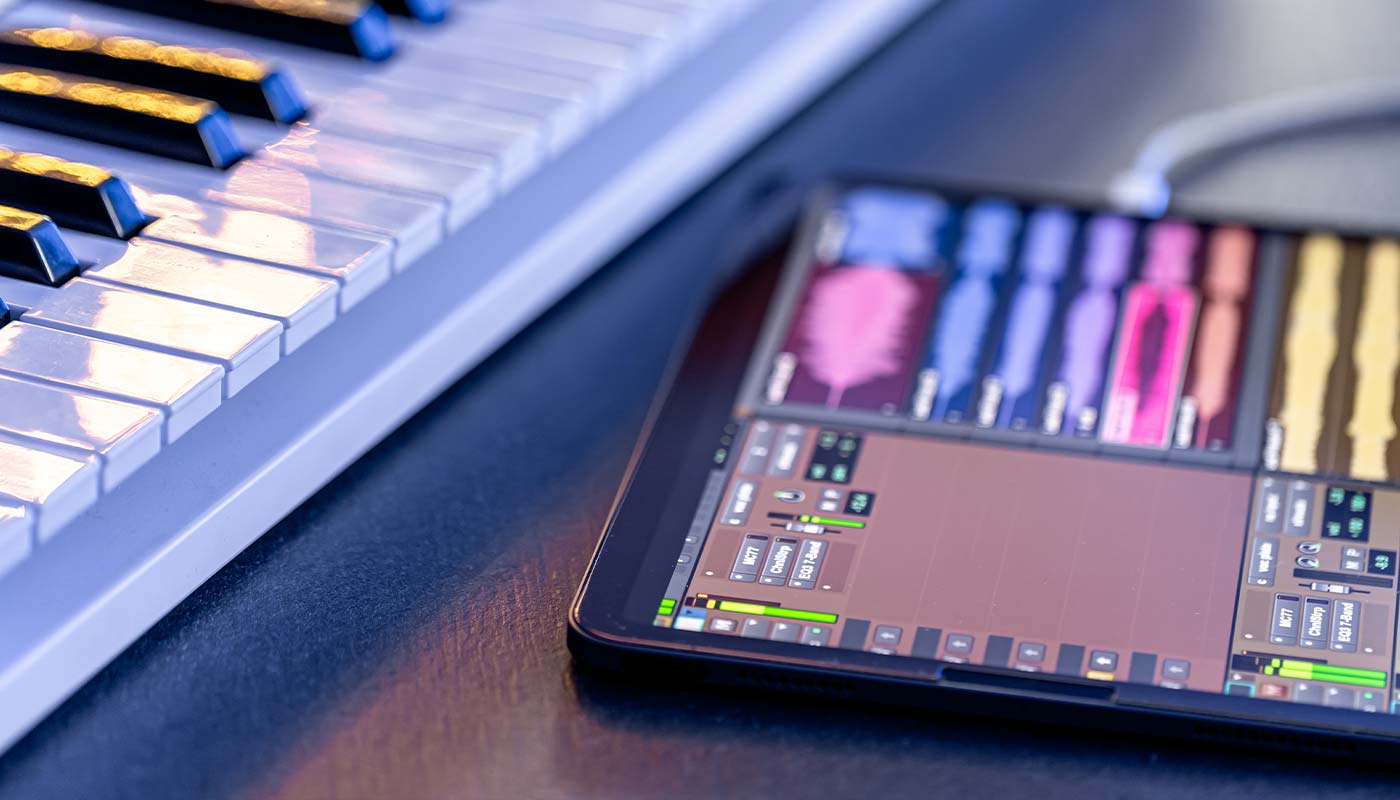
Traditionally, instruments like the violin, guitar, and flute were all about simplicity and craftsmanship. But now, they’re getting a high-tech makeover. Thanks to sensors, pickups, and even software integration, musicians can redefine their instruments, opening up possibilities for new sounds and ways to perform.
You don’t just have to play a guitar anymore—you can plug it in, add digital effects, change the tone, or even create sounds that were never possible before. It’s like taking something classic and giving it a modern twist, allowing musicians to experiment in ways that were unimaginable just a few decades ago.
2. String Instruments Get a Tech Upgrade
Let’s start with string instruments—they’re probably the most iconic when we think about traditional music. And guess what? Tech is giving them a whole new life.
Electric Violins and Cellos
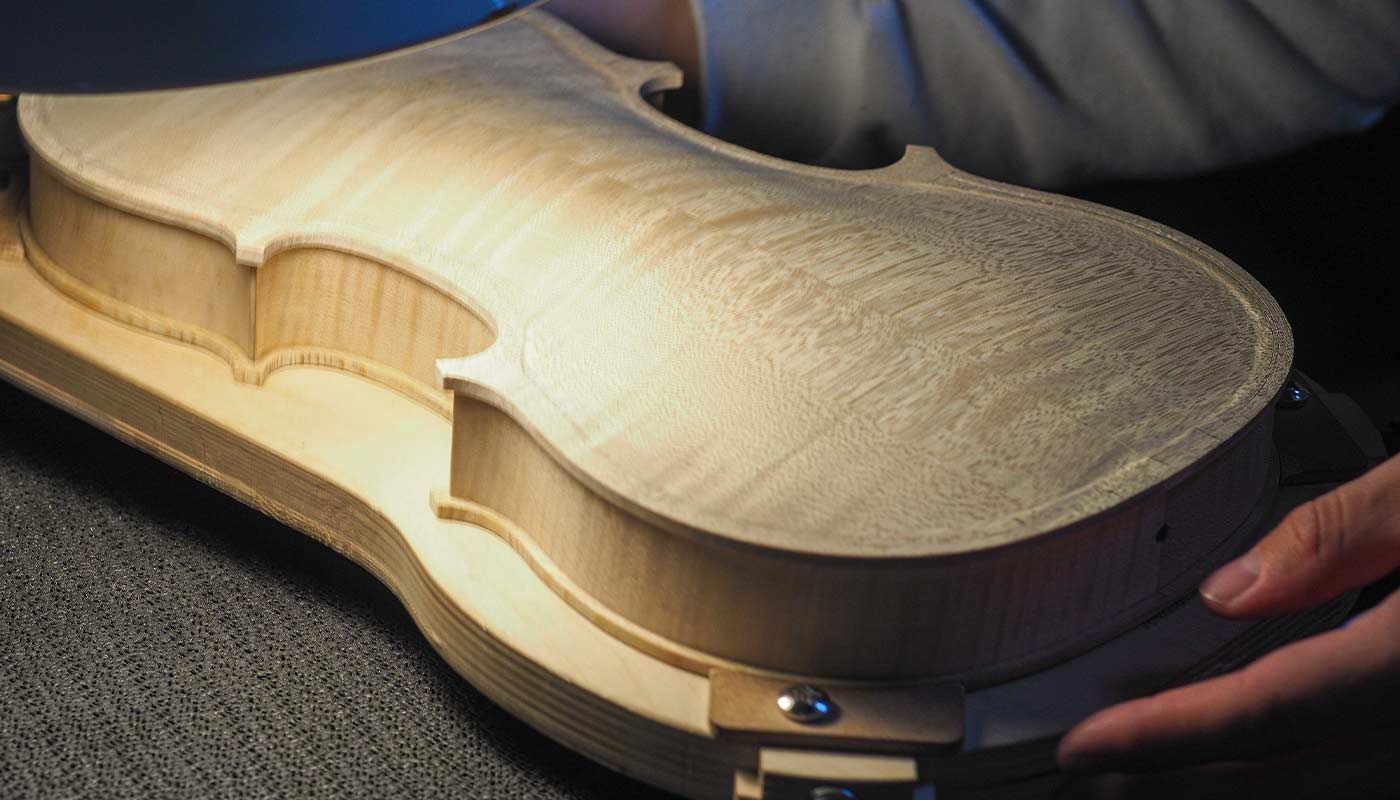
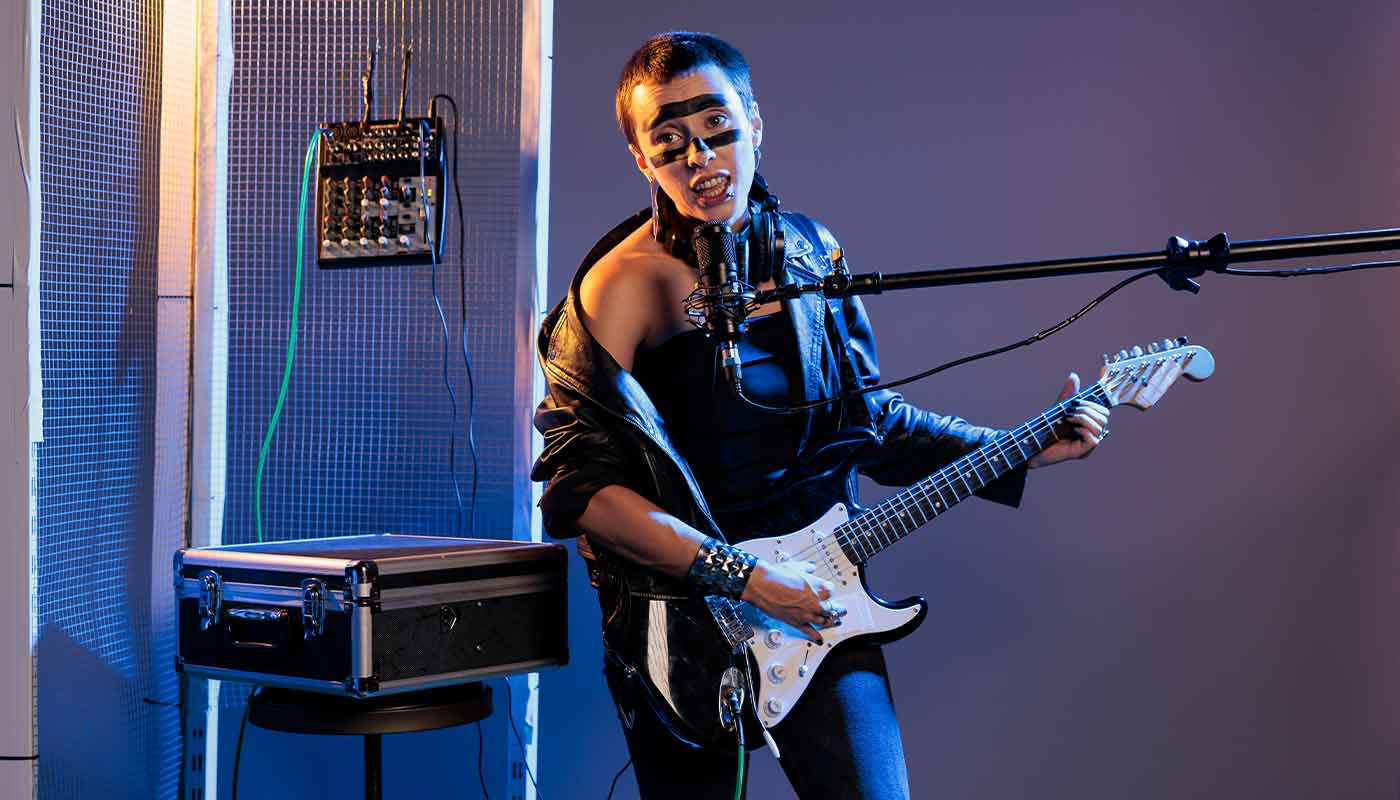
Electric violins and cellos are no longer just for experimental musicians or rock stars. More and more classical musicians are embracing electric versions of their instruments. With built-in pickups or digital sensors, these instruments amplify the sound and allow musicians to use all kinds of effects—whether that’s reverb, distortion, or something totally unique.
Take, for example, Yamaha’s Silent Violin. This electric version lets you plug into a sound system, mix your sound, and even record with less background noise. It’s a quiet way to practice, but with all the benefits of going electric!
Custom Sound and Enhanced Control
But it’s not just about volume. The future of digital violins and cellos is all about custom sound. Instruments like the Wood Violins Viper let musicians add effects, loop sounds, and create unique textures, all in real-time. Whether you’re in the studio or performing live, you can adjust your sound in ways that traditional instruments just can’t match.
3. Wind Instruments Getting the Tech Touch
You might think that wind instruments like the flute or trumpet are pretty much set in their ways, but tech is shaking things up there, too.
Electronic Wind Instruments (EWIs)
Take the EWI (Electronic Wind Instrument), for instance. This digital wind controller lets musicians play a traditional wind instrument but with electronic manipulation. You can control synth sounds, change pitch, or even add effects, all while playing an instrument that still feels like a traditional wind instrument. It’s a perfect mix of classic and modern—and it opens up a whole new world of possibilities.
Wind Instruments That Play with Sound
On top of that, companies are experimenting with hybrid wind instruments that merge traditional materials with electronics. For example, you could play a flute made from traditional materials but integrated with motion sensors that change the sound based on how you move. Imagine being able to add a little echo just by adjusting your hand position. That’s what the future of wind instruments looks like!
4. Drums and Percussion: The Tech Revolution
Drums are one of the most dynamic and expressive instruments out there. But guess what? They’re evolving, too. With digital percussion pads and electronic drum kits, drummers now have way more options than ever before.
Electronic Drum Kits
Roland and Yamaha have been leading the charge in electronic drum kits, which allow drummers to play with the feel of traditional drums but with tons of extra features. Drummers can trigger samples, adjust the sound of each drum in real time, and even add effects like reverb and delay.
These digital kits are perfect for musicians who need to record at home or perform in smaller spaces. They make it easier to experiment and even integrate digital elements into live shows.
Percussion Pads and Interactive Sound
Sensor-based percussion pads are also gaining traction, where drummers can create sound simply by hitting, tapping, or swiping the pad. Interactive performances have become a huge thing in live music, and these tech-savvy percussion instruments help make that happen. They allow drummers to blend traditional beats with digital samples, making their performances more interactive and innovative.
5. The Best of Both Worlds: Analog Meets Digital
So, what happens when we mix analog charm with digital flexibility? Well, we get a whole new breed of musical instruments. And the best part? We’re already seeing it happen.
Hybrid Instruments: The Future of Sound
Imagine a guitar that can switch between a classic acoustic sound and an electronic vibe, depending on what you need. Or a drum kit that offers both real acoustic percussion and digital effects. That’s where we’re headed: the fusion of analog warmth with the precision and flexibility of digital technology.
These hybrid instruments are allowing musicians to switch seamlessly between traditional techniques and modern, high-tech elements. The result? More versatility and creativity—without being stuck in one style or sound.
6. Looking Ahead: What’s Next for Traditional Instruments?
As we look ahead, it’s clear that the fusion of tech and classic instruments is just getting started. The future of music is all about combining the best of both worlds—preserving the integrity of traditional sounds while pushing the boundaries of what’s possible with technology.
More Customization, More Creativity
With digital enhancements, we’ll see even more musicians tailoring their instruments to fit their personal styles. Imagine being able to design an instrument that’s perfect for you—not just in how it looks, but in how it sounds, too. The possibilities are endless.
Sustainability Meets Innovation
As more sustainable materials and eco-friendly tech emerge, we could see traditional instruments being made more environmentally conscious. With 3D printing and eco-friendly manufacturing, future instruments could be greener and more accessible than ever.