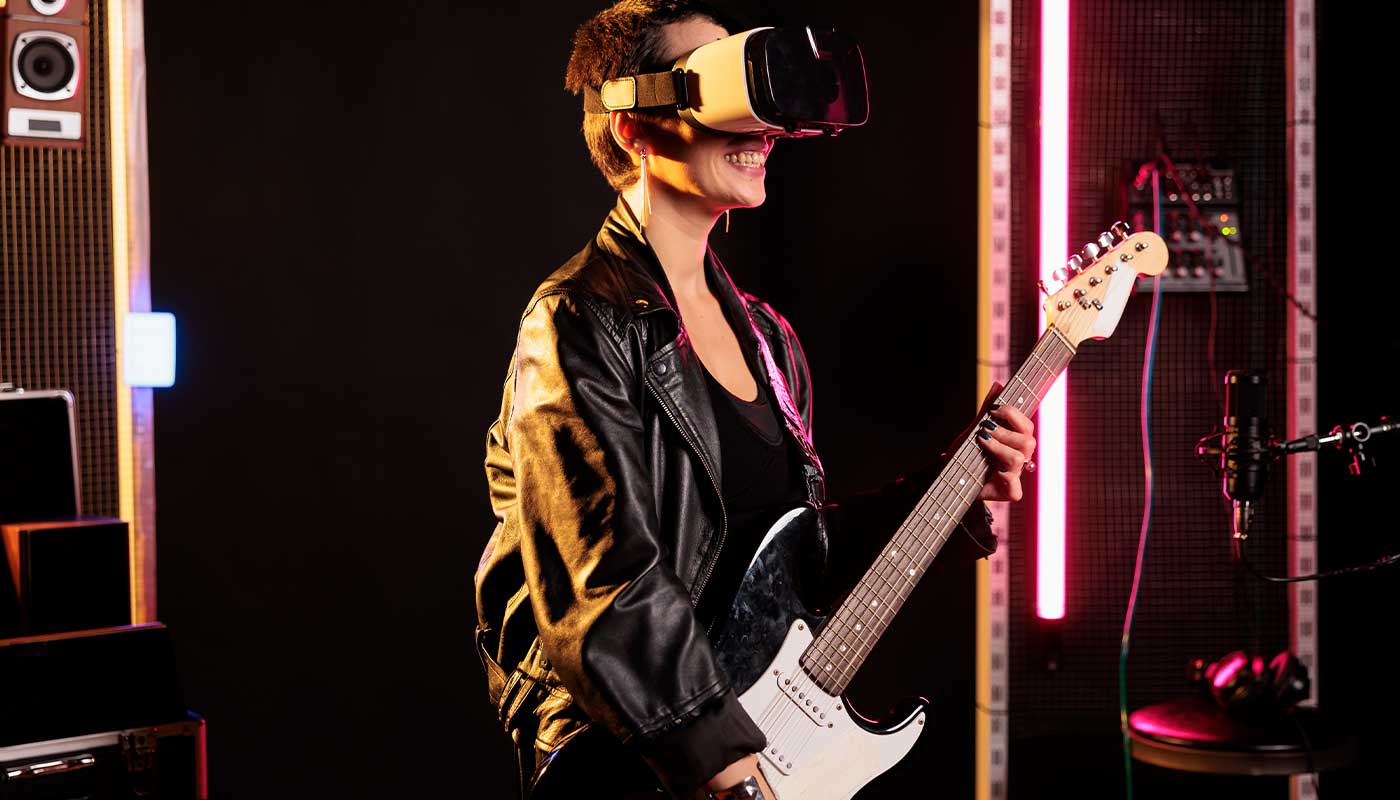
Let’s talk about something super cool: Augmented Reality (AR) and how it's totally changing the way we learn and perform music. If you've ever felt like learning an instrument was a little tricky or performing live needed something extra, AR might just be the game-changer you didn't know you needed.
So, What Exactly Is Augmented Reality?
Before we jump into the magic AR is bringing to music, let’s quickly break it down. AR is a technology that adds digital elements—like images, sounds, or even virtual objects—onto the real world. Imagine looking through your phone or special glasses and seeing digital notes or guides floating right above your piano keys. Cool, right?
Basically, AR enhances what’s in front of you, so you can interact with your surroundings in new ways. In music, AR can overlay notes, instructions, or even real-time feedback on your instrument, making learning and performing feel way more interactive and fun.
How AR Is Making Learning Instruments Easier
Learning a musical instrument can be intimidating, right? There’s a lot to remember: finger placements, reading music, getting the rhythm right... it can feel like a lot. But AR is making it a whole lot easier and more exciting.
- Visual Guides and Tutorials
One of the coolest things about AR is how it can show you exactly what to do, right when you need it. For example, instead of flipping through a textbook or looking at a static piece of sheet music, imagine having virtual notes floating right above your guitar or piano keys. It’s like having a teacher right there, pointing out what to do next!
Apps like Simply Piano or Yousician already use AR to help you track your progress in real time. They can even give you feedback on whether you’re hitting the right notes or need to tweak your technique—no waiting for your next lesson.
- Interactive Music Theory Lessons
Music theory can sometimes feel like a foreign language, but AR makes it way more fun and interactive. Instead of staring at charts, imagine seeing colorful musical notes appear in the air and being able to “play” with them in a 3D space. Whether it's scales, chords, or rhythms, AR brings music theory to life.
With AR, concepts like intervals, key signatures, and chord structures are no longer just something you memorize—they’re something you can actually see and interact with. It's like turning abstract ideas into hands-on experiences!
- Instant Feedback: The Music Teacher in Your Pocket
Here’s one of the best parts: instant feedback. With AR, you can get real-time advice on how you’re playing. Are you hitting the right note on your guitar? Is your timing off? AR technology can tell you, right then and there. It's like having a personal tutor available 24/7.
This instant feedback loop is super helpful, especially if you’re learning on your own or don’t always have access to a teacher. Plus, AR apps track your progress over time, so you can see how much you've improved.
AR in Live Music Performance
Okay, so AR is a game-changer for learning, but it doesn’t stop there. It’s also making live performances way more exciting. Whether you're performing on stage or just experimenting in your studio, AR is bringing music to life in new ways.
- Interactive Concerts
Imagine going to a concert where the music isn’t the only thing you can interact with. AR lets performers add visual elements like 3D projections, holograms, and even animations that move along with the music. It’s like the whole performance is happening inside a video game, and you're a part of it.
For example, artists like Tupac Shakur (in hologram form) or The Gorillaz have used AR in their live shows to create visually stunning performances. In the future, AR could make live concerts even more immersive, with the stage, the music, and the audience all blending together in real-time.
- Instrument Customization with AR
Musicians are now able to tweak their setups on the fly—without touching a single knob. Thanks to AR, you can visualize different sound effects, virtual instruments, or even your entire setup before making any changes. For guitarists, this could mean seeing how different pedal effects might impact the sound or adjusting the tuning virtually.
Imagine adjusting your guitar’s effects or seeing how your sound might change with different settings, all through AR in real time. It’s a huge step in letting performers be more spontaneous and creative during a show.
- Audience Engagement through AR
AR doesn’t just benefit performers—it’s also enhancing the concert experience for the audience. With AR apps, concertgoers can use their phones or AR glasses to interact with the show. For example, they could see the lyrics floating in front of them, visualize the music in 3D, or even interact with virtual elements that change based on the music.
This adds a whole new layer of fun for audiences, making them feel more connected to the performance. You’re not just watching the show—you’re part of it.
The Future of AR in Music
So, where is this all going? AR is still in its early stages, but the possibilities are endless. As the technology improves, we’ll likely see even more ways for AR to be integrated into both learning and performance.
In the future, AR might be used to create fully immersive music classrooms where you can learn from anywhere in the world. Imagine attending a virtual lesson with a 3D teacher who shows you exactly what to do, or jamming with other musicians in an augmented space. That future is closer than we think.
For live performances, AR could turn entire concerts into interactive, virtual worlds, where the audience is immersed in both the music and the visuals. The line between the physical world and the digital world is slowly starting to blur, and AR is leading the charge.