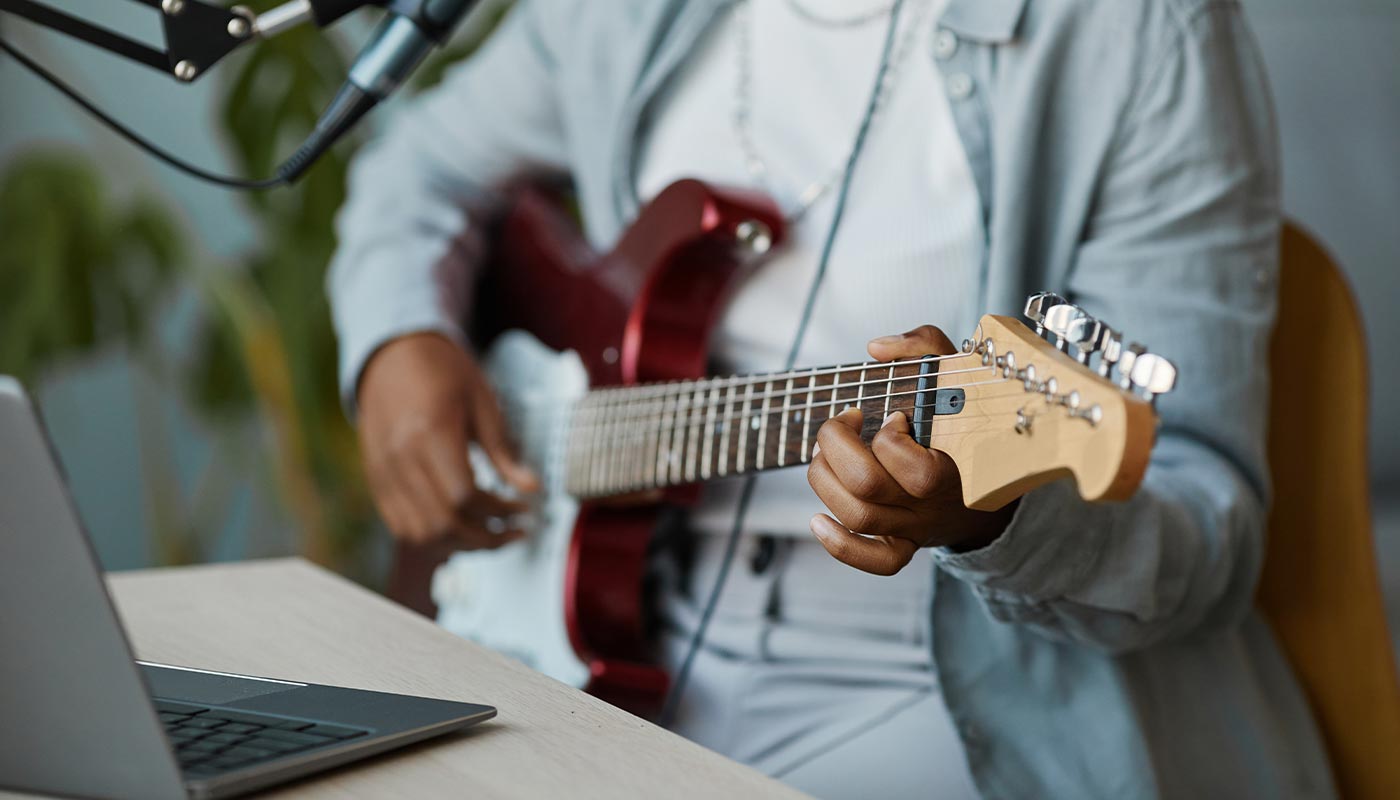
Music has always been about expressing yourself—feeling the rhythm, letting the melody flow, and connecting with others through sound. But imagine if your instrument could actually sense your emotions and respond in real-time? Sounds like something out of a sci-fi movie, right? Well, it’s already happening!
Thanks to artificial intelligence (AI), smart instruments are changing the way we play and create music. These instruments are able to adapt to a musician’s movements, emotions, and even playing style, offering a completely new way to interact with music. In this article, we’re going to explore how AI-powered instruments are pushing the boundaries of musical expression and what this means for the future of music.
So, What Exactly Are Smart Instruments?
Great question! In simple terms, smart instruments are musical devices that use AI technology to enhance the way they function. Instead of just being a traditional instrument like a guitar or a piano, a smart instrument has built-in sensors, software, and algorithms that help it respond to the player in real-time. It's kind of like a musical partner that listens and adapts to what you’re doing.
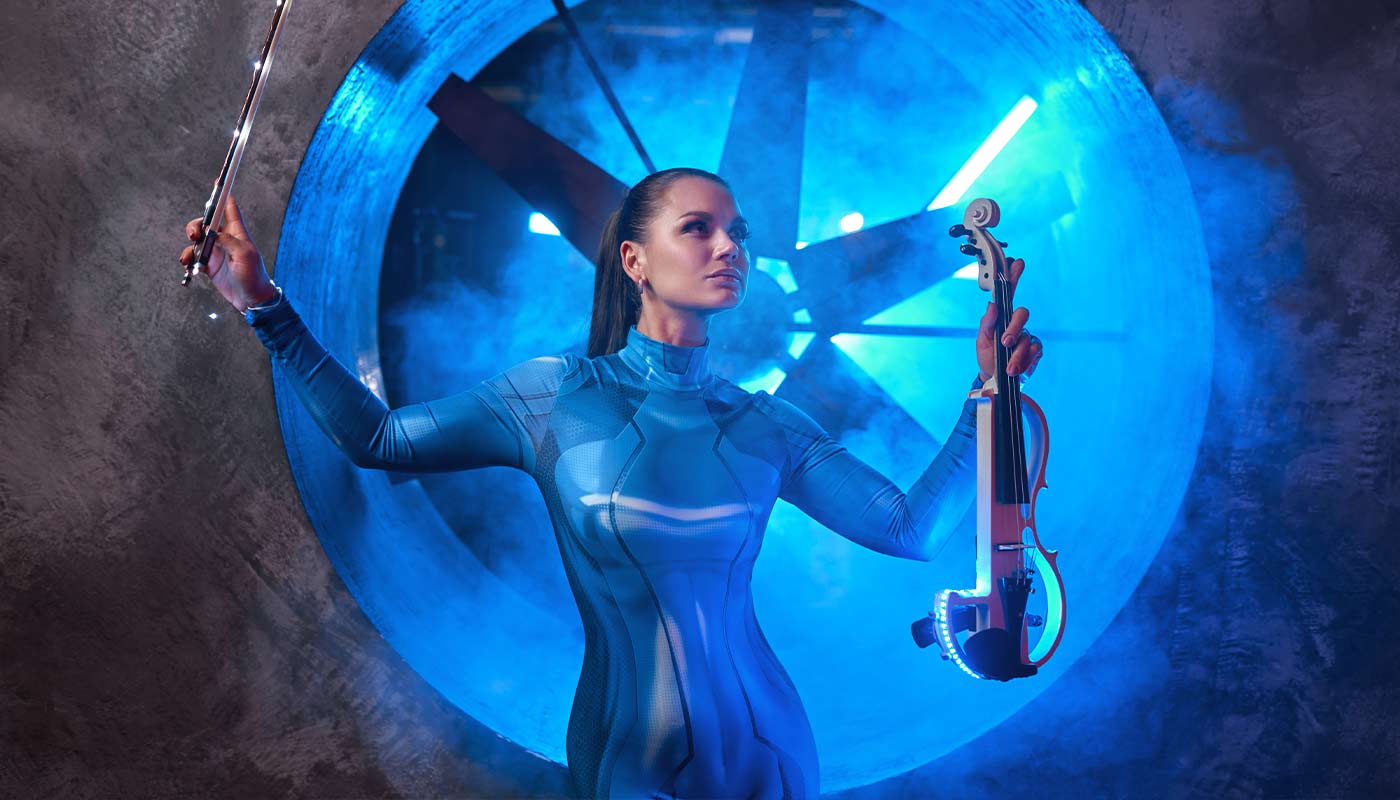
For instance, imagine a violin that adjusts its tone depending on how you play, or a guitar that automatically adds effects like reverb when you strum. Smart instruments are making it easier for musicians to create music that feels more dynamic and personal.
AI-Assisted Composition: More Than Just Playing
AI is not just changing how we play music—it's also revolutionizing the way we create it. Historically, composing music meant sitting down with an instrument and working through ideas by hand, note by note. But now, AI tools can help musicians generate music based on a few basic instructions.
Take, for example, AI platforms like Aiva, Amper Music, and JukeBox. These tools can help musicians by creating melodies, harmonies, and even full compositions. You can simply enter a genre or mood, and the AI will generate a song that matches your specifications. It’s like having a co-writer who’s always there, ready to pitch in ideas whenever you need them.
For musicians, this is a huge time-saver. Instead of spending hours trying to come up with the perfect melody, AI can give you a jump-start, and then you can take over to add your personal flair and touch. It’s collaboration at its finest.
Improvisation and Live Performance: AI on Stage
AI isn’t just for composing in the studio. It’s also making waves in live performances. Have you ever seen a musician improvise on stage, creating music on the spot based on the vibe of the audience? With AI-powered instruments, improvisation has never been easier or more exciting.
Imagine playing a keyboard that adjusts the melody and tempo based on the energy of the crowd or a drum kit that reacts to your every movement, changing beats and rhythms on the fly. Some AI tools are designed to listen to a performance and then automatically generate accompaniment or effects to complement what the musician is playing. It’s like having a band that’s always in tune with you, no matter what direction you decide to take the music.
Real-Time Interaction
This means musicians can now improvise in real-time, with AI generating a unique musical response to whatever they play. It’s like having an interactive jam session with a band that’s always in sync, making live performances feel more connected and exciting.
AI and Sound Design: Endless Possibilities
Another amazing thing about AI in music is how it’s transforming sound design. Traditional instruments have their limits in terms of the sounds they can produce. But with smart instruments and AI-driven software, musicians can create and manipulate sounds in ways they never could before.
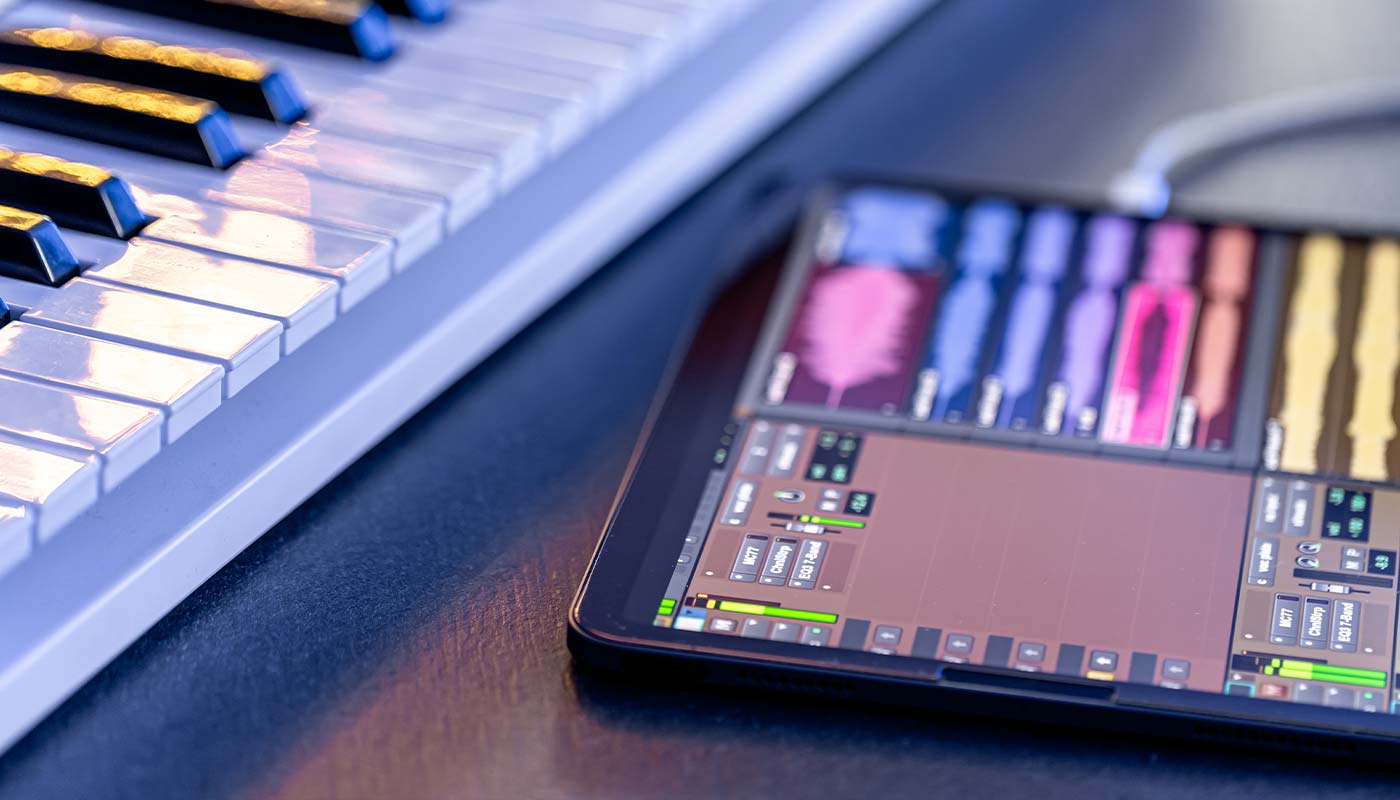
For example, AI-driven synthesizers analyze existing sounds and use algorithms to create new ones. This means you can take a simple sound and stretch it, distort it, or add effects in ways that would be impossible with just an acoustic instrument. The best part? It’s all real-time. You can tweak sounds instantly and see how your changes affect the music.
It’s like having a musical laboratory at your fingertips, where you can experiment with sounds and effects without worrying about complex setups or limitations.
AI and the Emotional Side of Music
One of the most mind-blowing aspects of AI in music is its ability to sense a musician’s emotions and adjust accordingly. Using biofeedback sensors and algorithms, AI is now capable of reading subtle changes in a musician’s body or performance style, such as their heart rate or the way they’re playing the instrument.
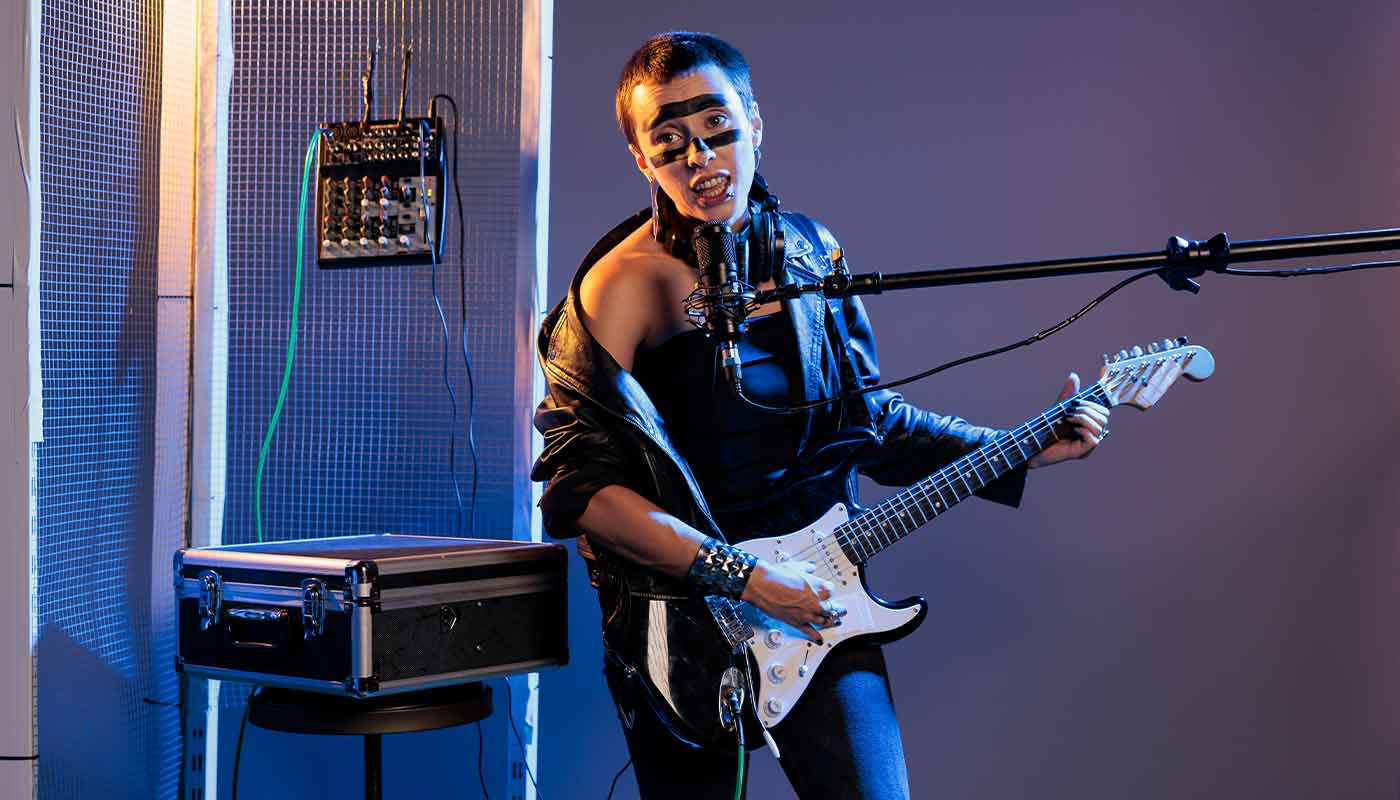
Imagine playing a piano and having the AI adjust the tone based on how fast or slow you’re playing. Or strumming a guitar and having it respond by adding effects that reflect your emotional state. AI can make the music feel even more personal—like the instrument is alive and responding to you in real-time.
This ability to merge emotion with sound could completely change the way music is experienced, making it more connected to the performer’s inner feelings.
The Future of AI and Smart Instruments
So, where are we headed? The future of AI in music looks super exciting. As AI technology continues to improve, we can expect even more advanced instruments that will be able to react to musicians in more intuitive ways.
More Personalization
Imagine a smart guitar that adapts to your unique playing style and even predicts what you want to play next. Or a drum kit that automatically adjusts to your mood, making the rhythm faster or slower based on the energy you put into your playing.
Collaboration Between Humans and AI
AI won’t replace musicians—it will enhance their creativity. Musicians will be able to use AI as a tool to push the boundaries of their art, creating music that blends the human touch with the power of technology. The combination of human creativity and AI assistance could lead to compositions and performances that are unlike anything we’ve heard before.
AI has already made a huge impact on the world of music, from composition and live performance to sound design and personalized expression. It’s allowing musicians to explore new creative possibilities, experiment with sound, and push the limits of what’s possible with traditional instruments.