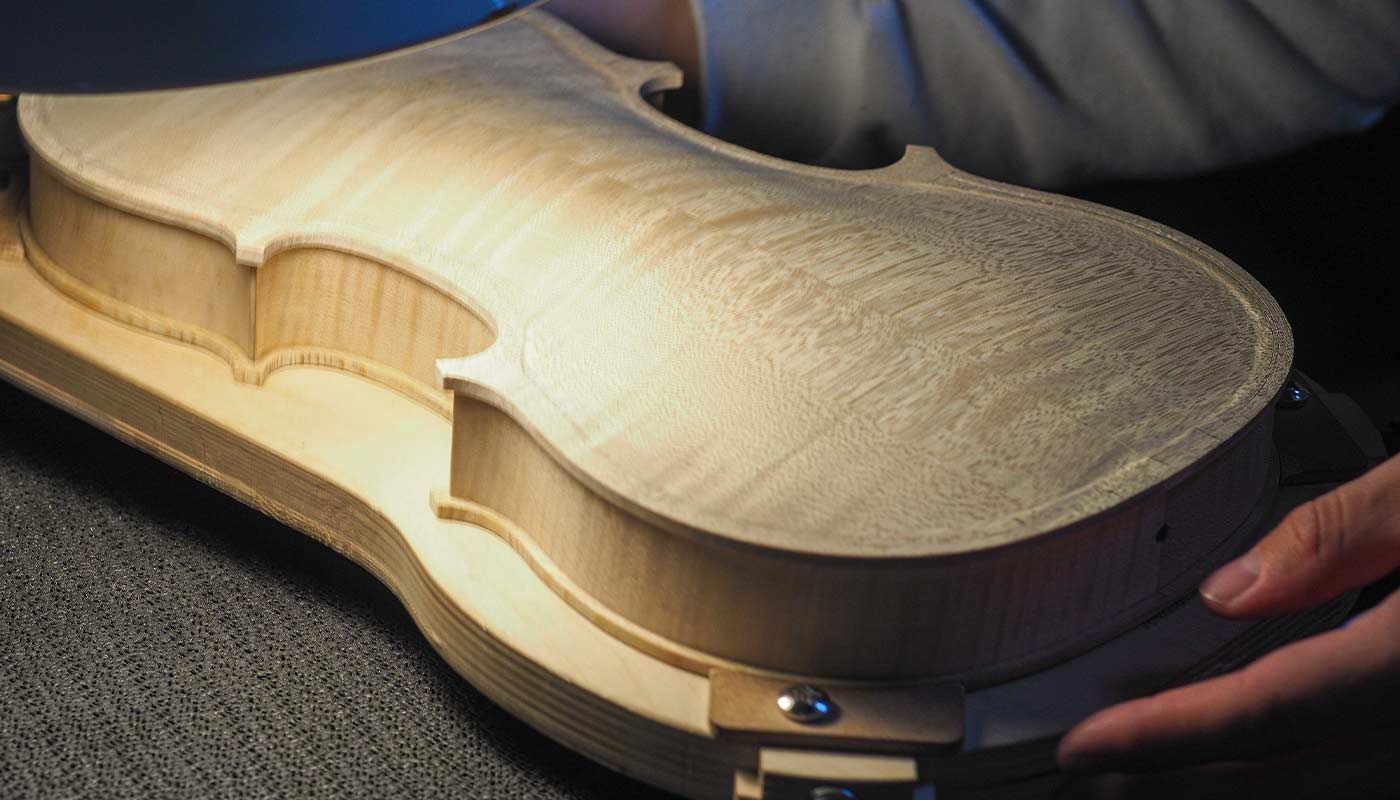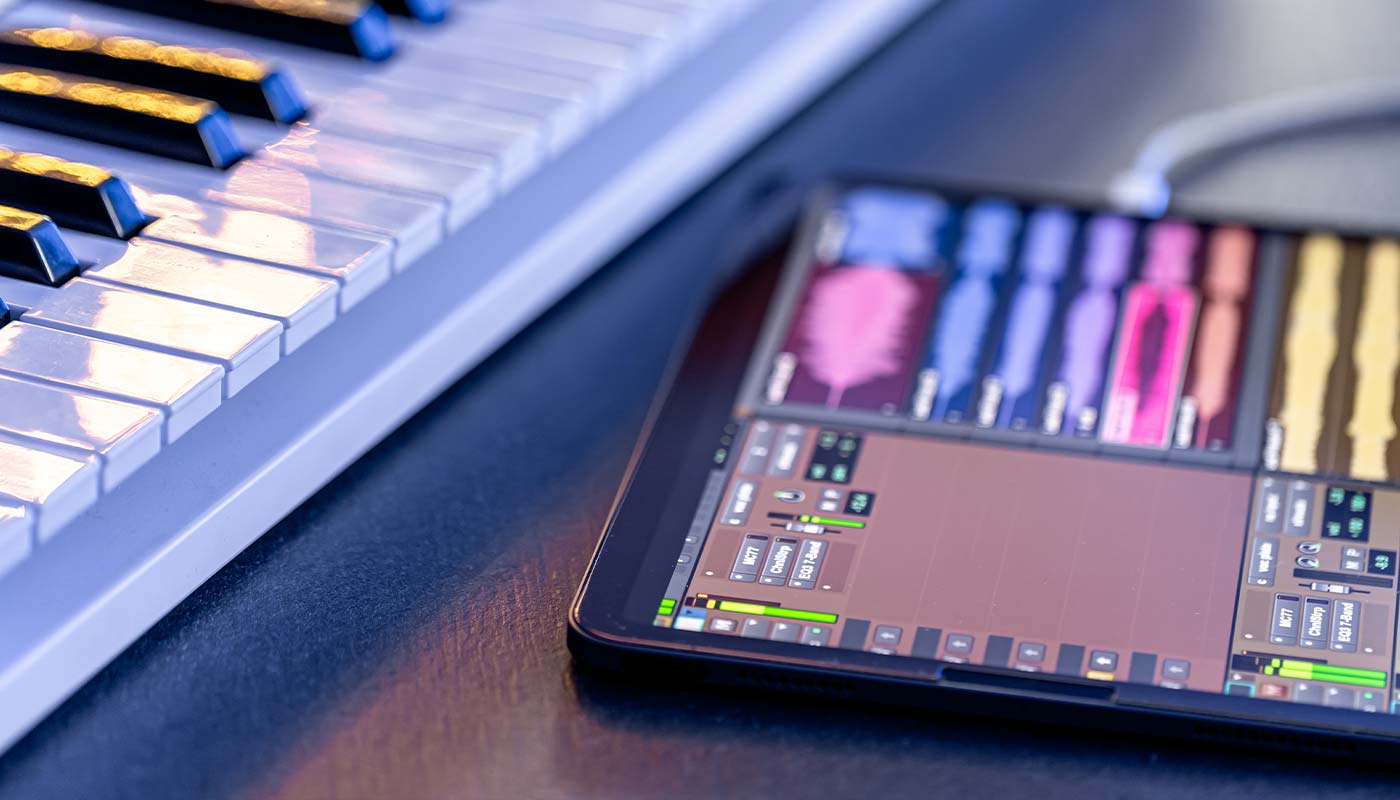
When you think of musical instruments—like violins, cellos, or flutes—you probably imagine polished wood, careful craftsmanship, and that warm, classic sound. But hey, times are changing. Step into a modern workshop today and you might find something totally unexpected: carbon fiber, 3D printers, even smart fabrics. Yeah, the world of instrument-making is getting a high-tech makeover, and honestly? It’s kind of amazing.
Carbon Fiber Takes the Spotlight
Wood will always have a place in our hearts (and orchestras), but carbon fiber is stepping into the spotlight. Why? It’s tough, super light, and doesn’t freak out when the weather changes. Traditional wooden instruments can be moody in humidity, but carbon fiber? Rock solid.
Take the Luis and Clark cello—it looks sleek and modern, and players love how it travels well without warping or cracking. Sure, some purists may raise an eyebrow, but more musicians are giving these futuristic instruments a chance, especially for touring or outdoor performances. No more tiptoeing around rainy forecasts!
3D Printing: From Toys to Tunes
Remember when 3D printing was all about keychains and phone stands? Well, now it’s printing real instruments. And not just for decoration—we’re talking playable violins, flutes, and ukuleles.
The Hovalin, for example, is a fully functional violin made from plastic. It’s lightweight, colorful, and surprisingly good-sounding. Plus, for students or schools on a budget, it’s a total game-changer. And let’s be honest—who doesn’t want a neon green violin?
Even better, designers can tweak shapes and acoustic features with crazy precision, which opens up tons of creative possibilities. Want an instrument shaped like a lightning bolt? Go for it.
Smart Tech Inside Your Instrument
Instruments are getting brains now. Not literally, but kind of. With the rise of sensors, conductive fabrics, and mini electronics, some instruments are turning into full-blown tech gadgets.
Electric guitars have had pickups forever, but now violins can detect how hard you bow or where your fingers land. Some pianos even use haptic feedback to mimic real key weight while you practice silently at night. It’s like your instrument is giving you a secret high-five every time you nail a note.
And then there are wearable controllers—think wristbands or gloves that trigger sound with movement. Musicians can dance, wave, or even just breathe to make music. Wild, right?
Bye-Bye Endangered Woods, Hello Eco-Friendly Materials
Let’s talk sustainability. A lot of high-end instruments used to rely on exotic woods like ebony and rosewood. Gorgeous, yes—but not exactly great for the planet. So makers are turning to greener alternatives.
One cool solution? Richlite—a material made from recycled paper and resin. Sounds odd, but it’s durable, looks good, and plays well. Companies like Martin and Gibson are already on board.
You’ll also see bamboo and flax composites popping up. They’re renewable, fast-growing, and still sound amazing. Basically, your guitar can now help save the rainforest.
Data Meets Design
Old-school luthiers used to rely on their ears and gut. Now? They’ve got software and simulations. Designers can model how different shapes or materials will affect an instrument’s sound—before cutting a single piece.
Want a clarinet that handles breath pressure just right? Fire up the software. Want a guitar that sounds mellow in a café but sharp in a stadium? There’s an algorithm for that too. It’s like musical matchmaking, powered by data.
Some developers are even using machine learning to design instruments for specific genres. Imagine a sax custom-built for lo-fi beats or a flute designed to blend perfectly in synth-heavy pop. That’s the kind of future we’re heading toward.
Meet the Instruments of Tomorrow
Not all the new stuff is about upgrading old instruments—some folks are inventing totally new ones. Ever heard of the Roli Seaboard? It looks like a squishy piano and lets you slide and bend notes in ways a regular keyboard never could.
Or the Eigenharp—a strange and wonderful mashup of wind, string, and percussion that you play by tapping, blowing, and tilting. It sounds like a spaceship console, and honestly, it kind of is.
These hybrid instruments are giving musicians new ways to express themselves. They don’t replace the classics—they just expand what’s possible.
Wrapping It Up: The Sound of the Future
Sure, traditional instruments aren’t going anywhere. There’s still magic in a hand-carved violin or a dusty old upright piano. But it’s exciting to see what happens when we blend that tradition with innovation.
With new materials, smarter designs, and some seriously cool tech, instrument makers are reinventing how music is made, shared, and experienced. Whether it’s a carbon fiber cello, a 3D-printed ukulele, or a touch-sensitive digital keyboard, the sound of the future is here—and wow, it’s got range.