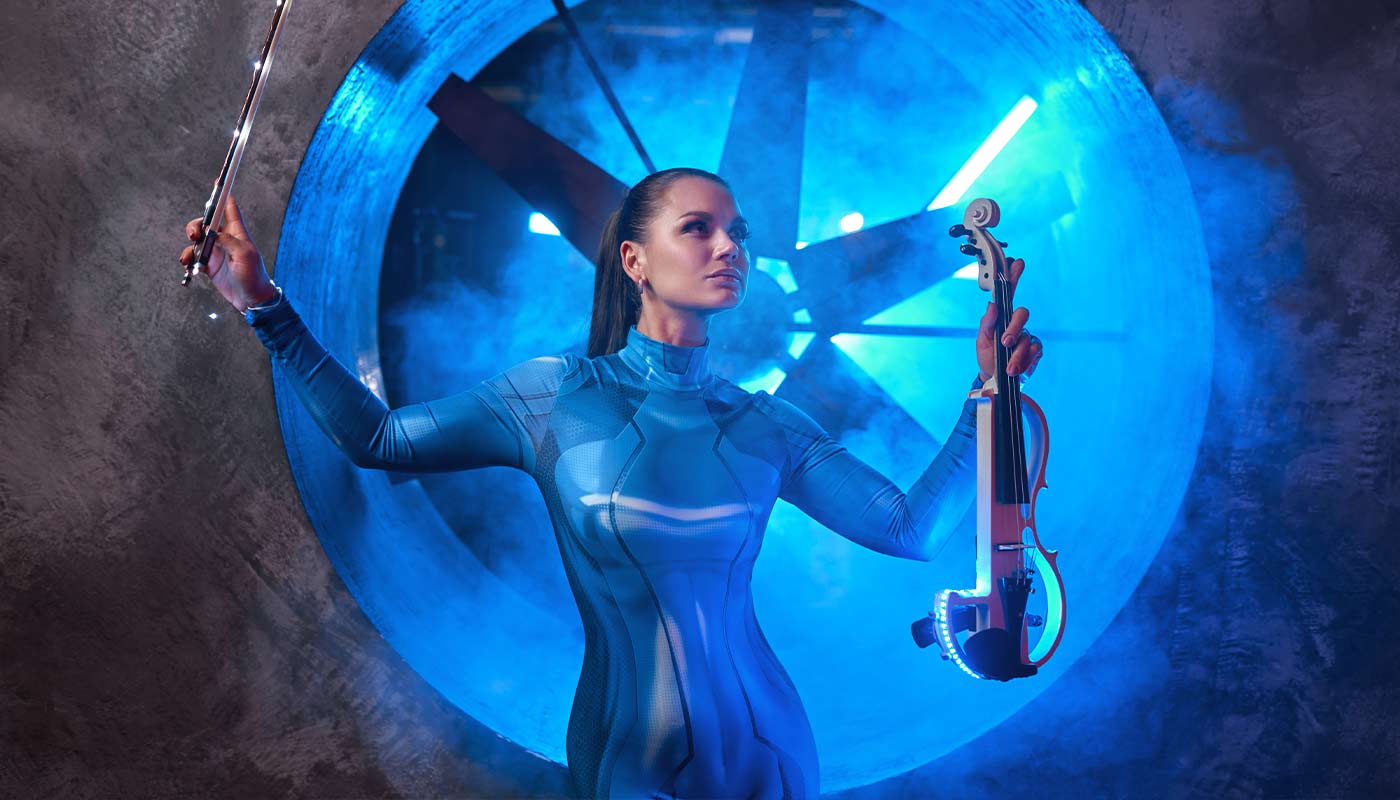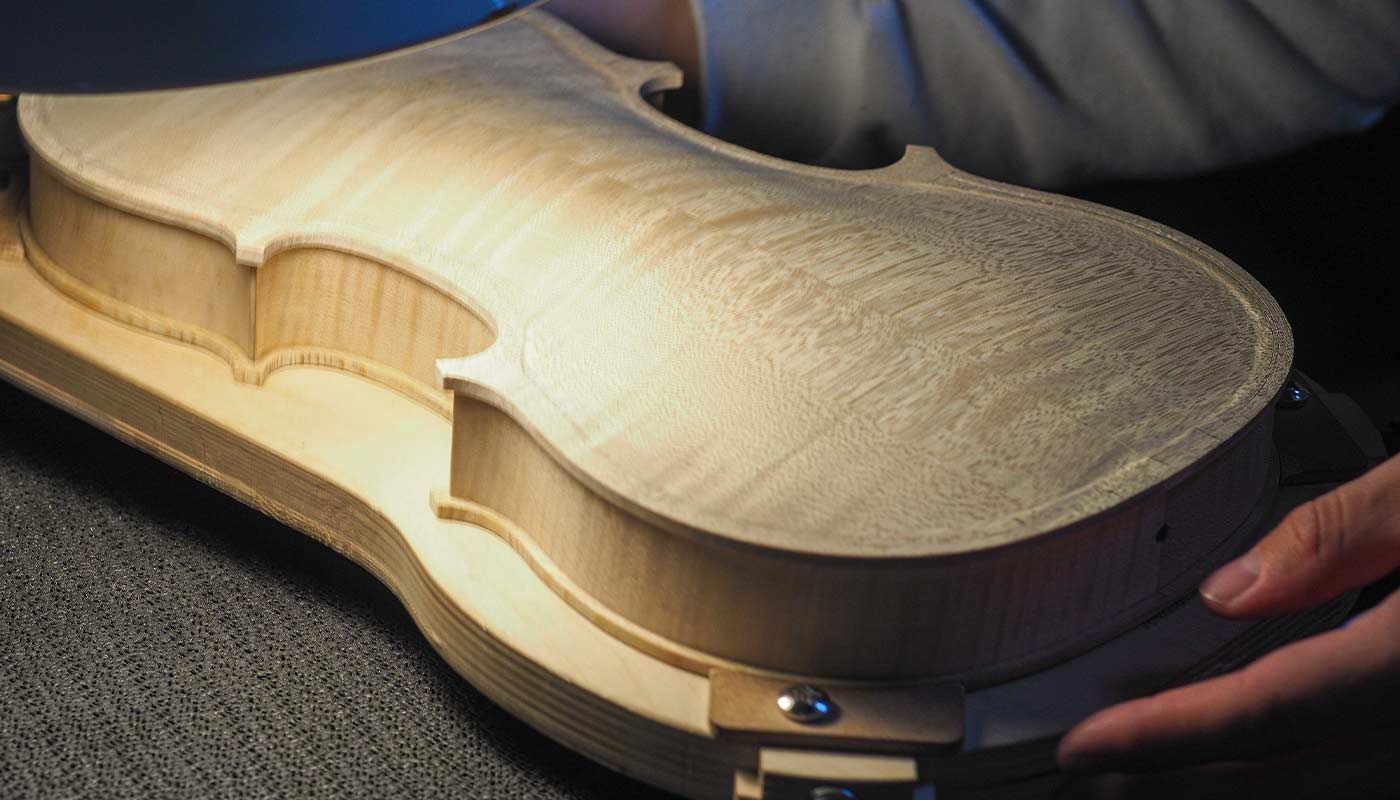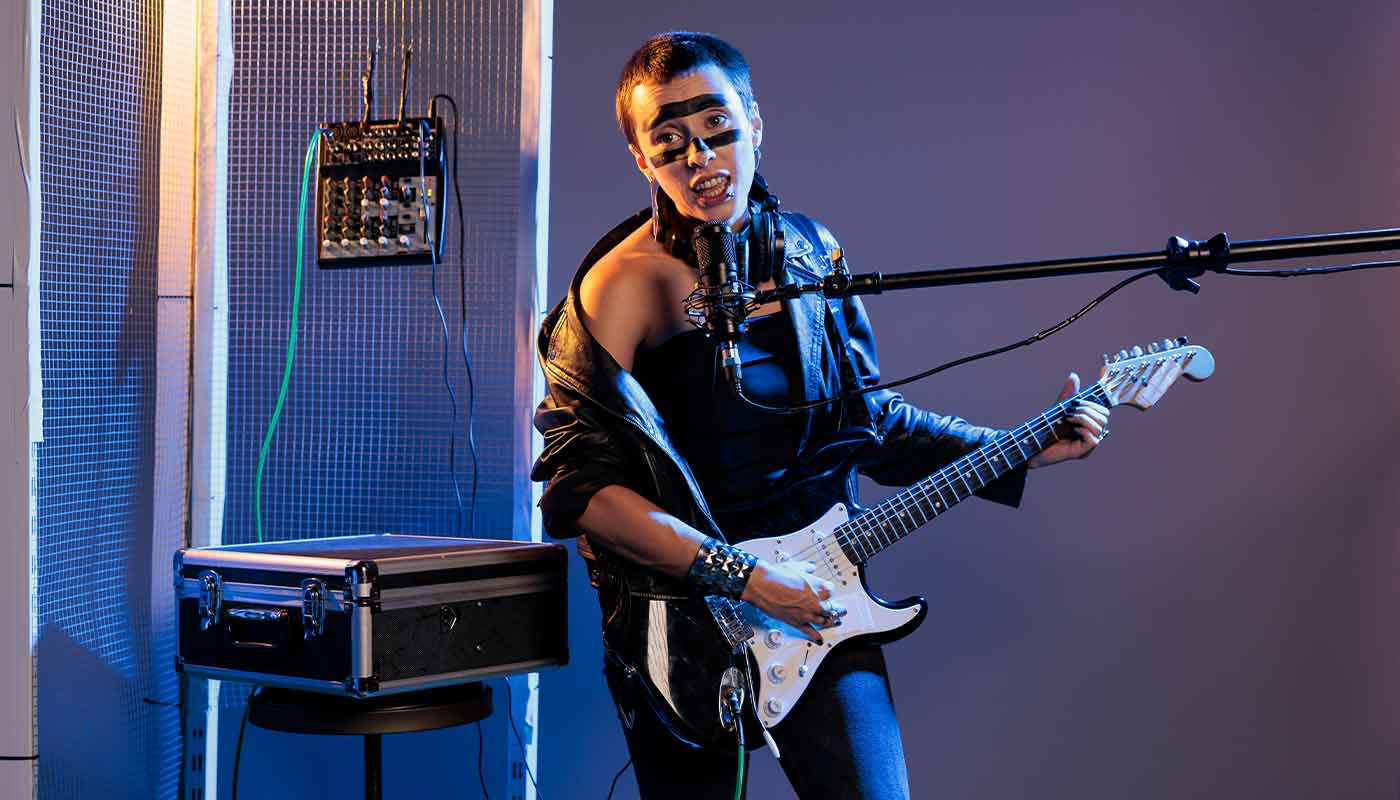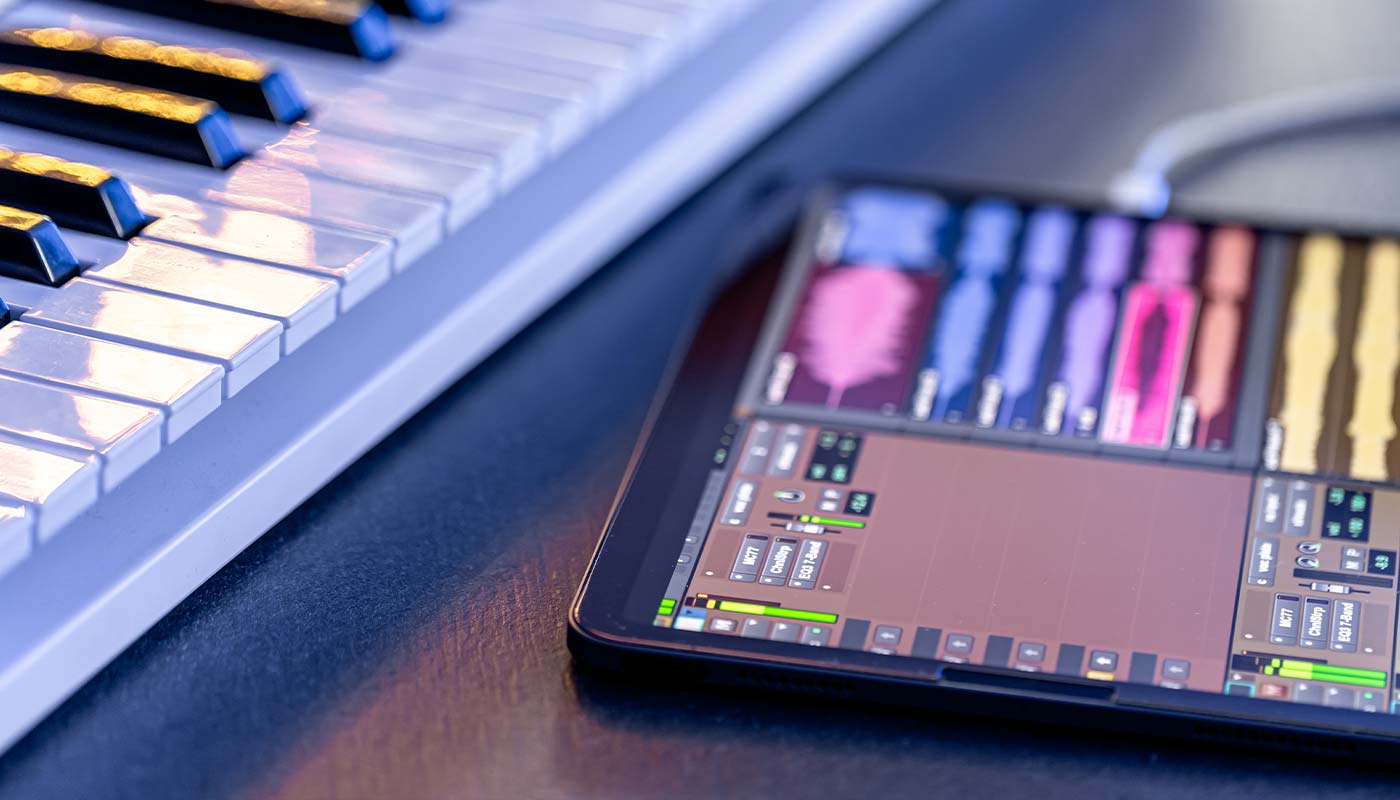
Okay, let’s talk about something super cool: virtual instruments. These days, they’re taking over the music production world, and for good reason. With just a computer and some software, musicians can access an entire orchestra, a synth paradise, or even create completely new sounds—no physical instruments required. It’s like having a whole music studio in your pocket, and it’s changing everything about how music is made, shared, and performed.
So, What Are Virtual Instruments Anyway?
Before we dive into why they’re such a big deal, let’s break down what virtual instruments actually are. In simple terms, virtual instruments are software programs that mimic real instruments (like pianos, drums, and strings) or create brand new, otherworldly sounds. You play them using a MIDI controller (or even just your computer keyboard), and they make music without any actual instruments involved.
The best part? You can have a whole band of virtual instruments at your fingertips. Whether you need a grand piano for a ballad, a distorted guitar for a rock track, or a funky synth sound for an EDM banger, virtual instruments do it all. It’s like being a musical wizard with an endless supply of tools.
The Magic of Accessibility: Making Music for Everyone
One of the main reasons virtual instruments have exploded in popularity is how accessible they’ve made music production. In the past, creating professional music meant buying expensive gear—think high-end synthesizers, soundboards, and renting studio space. Not to mention, it could take years of practice to master those instruments.
Enter virtual instruments. With just a laptop and some software like Ableton Live, Logic Pro, or FL Studio, anyone can create top-notch music. And it doesn’t stop there. The software is often packed with sounds and effects that once cost a fortune to access. Now, bedroom producers can create entire tracks without needing to invest in all that fancy hardware. How awesome is that?
This shift has opened the doors for a whole new wave of creativity. Musicians who might’ve never been able to afford studio time or fancy gear can now explore, experiment, and produce. The playing field has leveled, and it’s been incredible to see what people are coming up with.
Realistic Sounds That’ll Blow Your Mind
One of the most impressive things about virtual instruments is how realistic they sound. Technology has come a long way, and these instruments now replicate traditional instruments like pianos, strings, and brass so well that you almost can’t tell the difference from the real deal.
Companies like Spitfire Audio and Vienna Symphonic Library have done an amazing job at capturing the sound of entire orchestras, so much so that professional composers use them in major film scores. The level of detail is crazy—these virtual instruments let you adjust every little thing, from dynamics to finger movements. Want your violin section to sound like it’s being played in a grand concert hall? No problem.
But it’s not just for classical music buffs. These realistic sounds are being used in all kinds of genres. Producers blend acoustic instruments with electronic effects to create hybrid sounds, making everything from chill electronic beats to epic movie soundtracks.
Customization: Your Sound, Your Rules
Here’s where virtual instruments really shine: customization. Unlike physical instruments, where you’re limited by what they can do, virtual instruments offer endless possibilities for tweaking and adjusting sounds. Need to change the pitch of a drum? You can do that. Want to add some weird effects to a violin? Easy.
What’s even cooler is that many virtual instruments come with built-in effects—reverb, EQ, modulation—so you can shape your sound without adding tons of extra plugins. Everything you need is right there. Plus, if you want to get super experimental, some virtual instruments let you design your own sound from scratch, so you can literally create something no one has ever heard before. It’s like being a mad scientist, but way cooler.
Changing Music Genres and Trends
Virtual instruments aren’t just a tool for getting things done faster—they’re also influencing the music we hear today. In genres like EDM, lo-fi, and trap, sound design is a huge part of the process. Thanks to virtual instruments, producers can create everything from pounding bass drops to intricate melodies, all from their laptop.
In pop music, virtual instruments have become a key part of crafting radio-ready tracks. Artists like Billie Eilish have used them to create dark, atmospheric soundscapes with minimalistic beats. And they don’t stop there. Many modern pop and electronic artists use virtual instruments to blend acoustic sounds with digital effects, creating fresh, experimental vibes that never would’ve been possible without them.
Even the way we perform music has changed thanks to virtual instruments. Some musicians now perform live shows using software instruments, triggering sounds from their laptop or MIDI controller instead of relying on traditional gear. This has made live shows more interactive and creative, especially in genres like electronic music, where manipulating sound in real-time is a big part of the experience.
The Future of Virtual Instruments
So, what’s next for virtual instruments? Well, the future is looking pretty exciting. We’re already seeing some mind-blowing innovations, like virtual reality (VR) and augmented reality (AR) being used in music production. Imagine being able to “touch” your instruments in a 3D space or use VR to manipulate sound with your hands. It’s coming, and it’s going to be insane.
Plus, AI is starting to creep into the world of virtual instruments. We might soon see instruments that “learn” your musical style and suggest new sounds or compositions. It’s like having a musical assistant that helps you brainstorm when you’re feeling stuck—how cool is that?