Music production has come a long way, especially with digital tools that make creating, mixing, and mastering music easier than ever. And now, AI is playing a big role, especially in the areas of mixing and mastering. These are crucial steps in music production that turn raw tracks into polished, professional-sounding tunes. So, how exactly is AI changing this process?
Let’s dive into how AI is helping artists, producers, and engineers create high-quality tracks faster and easier than before, and why this shift is a big deal for the music industry.
1. AI in Mixing: Your New Best Friend in the Studio
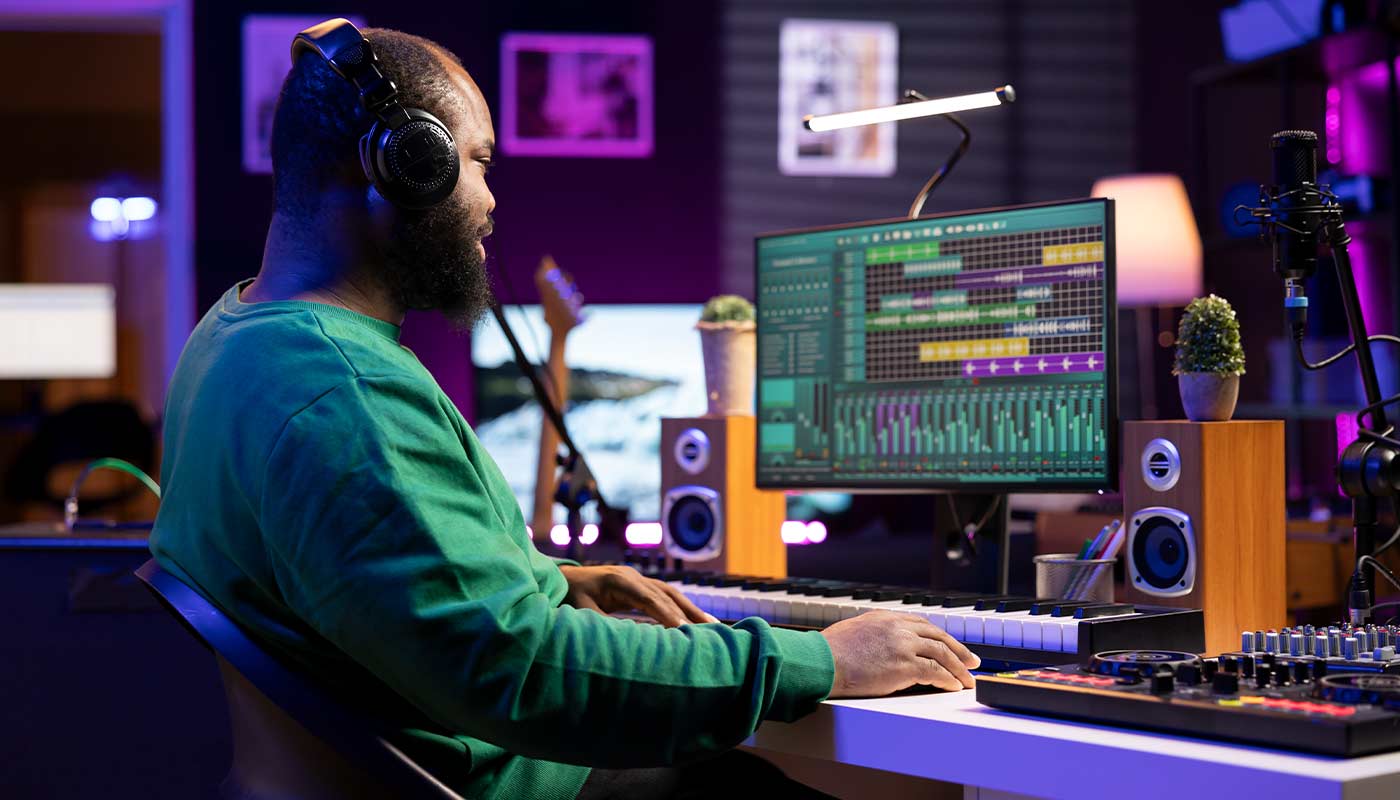
Mixing a track can take a lot of time and expertise. You need to balance vocals, instruments, effects, and levels to create a sound that’s cohesive. In the past, this meant long hours adjusting EQ settings, panning sounds, and adding effects. But thanks to AI, some of these tasks are now faster and easier.
AI-powered mixing tools, like iZotope Ozone or Sonible Smart:EQ, analyze your track and make real-time adjustments to improve things like balance, frequencies, and clarity. It’s like having a mix engineer by your side, but instead of asking questions about every setting, the AI does it for you.
For instance, Sonible’s Smart:EQ looks at your track’s frequencies and suggests how to adjust them for better balance. This tool does the heavy lifting when it comes to EQ’ing, so you can focus more on the creative side of mixing. You still make the final call, but AI gives you a great head start.
It’s not here to replace mixing engineers, but it certainly makes the process smoother and more efficient.
2. AI in Mastering: Making Your Track Sound Ready for the World
Once you’ve mixed your song, the next step is mastering. This is where you make your track sound polished and ready for release. It’s about getting the right balance and ensuring the track sounds great across different platforms, whether you’re listening on a phone speaker or a high-end sound system.
Traditionally, mastering required a lot of expertise, specialized gear, and a fine ear. But now, AI-powered tools like LANDR and eMastered can do this job much faster and for a fraction of the price. These tools analyze your track and make adjustments to things like loudness, EQ, and compression, so your song sounds perfect on streaming platforms.
What’s great about AI mastering is how accessible it’s made the process. Independent artists or producers working from home can now get their tracks sounding professionally polished without the cost of hiring a mastering engineer. It’s like having an affordable mastering engineer in your pocket.
3. Speed and Precision: AI Makes Things Faster
One of the biggest advantages of AI in mixing and mastering is the speed. These tools can analyze and process tracks much quicker than a human engineer could. If you’re working on a tight deadline or need to test different ideas, AI is a lifesaver. You can tweak your track and hear the changes almost instantly.
Plus, AI is consistent. While humans might miss certain details after hours of tweaking, AI tools always stick to their algorithms, making sure everything is balanced properly. It’s like having a super-reliable assistant who never gets tired and doesn’t make mistakes.
For musicians and producers, this is a game-changer. It frees up more time for creativity, allowing you to focus on the fun parts of music-making.
4. The Human Touch: Why AI Can’t Do It All
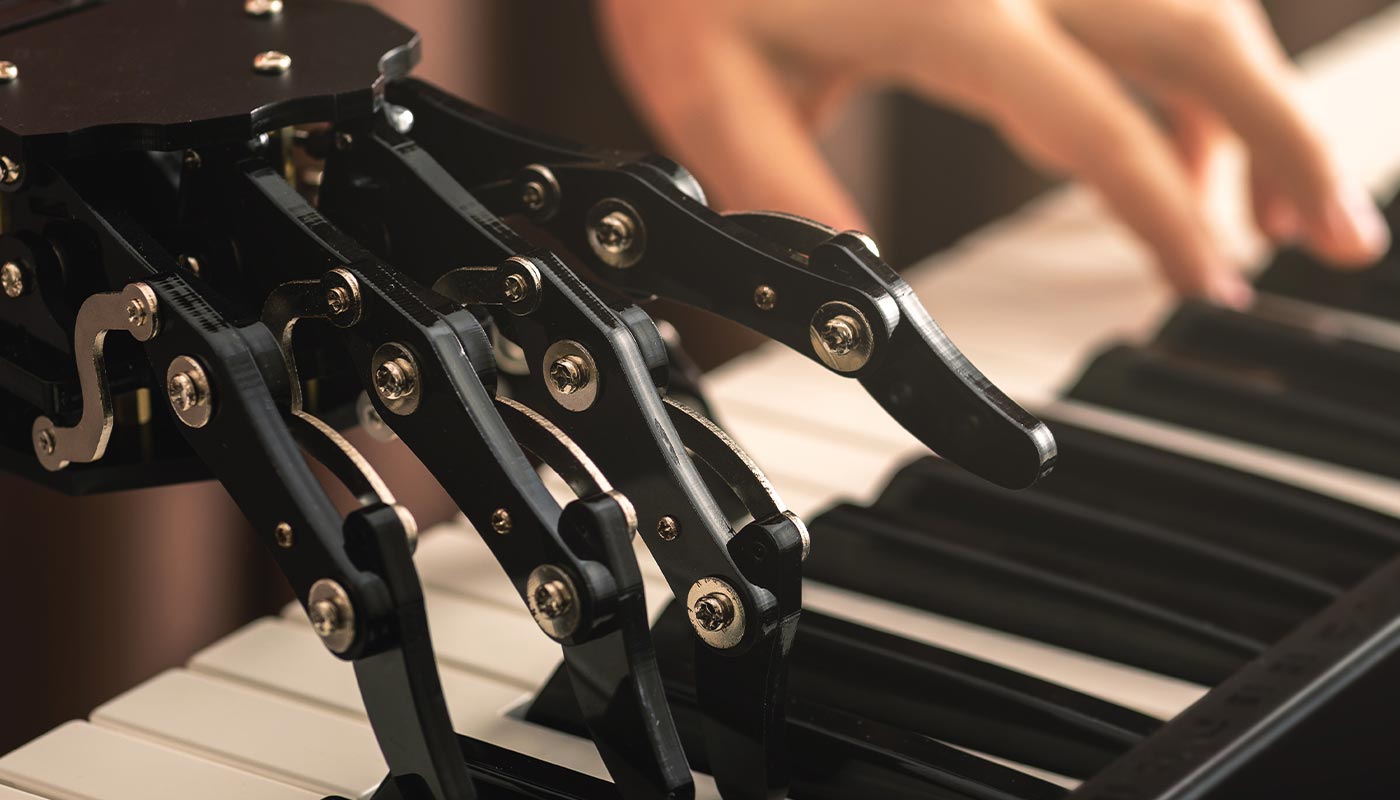
Even though AI is great at helping with the technical stuff, it can’t replace the human side of music production. Mixing and mastering aren’t just about getting the levels right—they’re about capturing the emotion of the song and making it resonate with the listener.
For example, an experienced engineer might make subtle adjustments to a track based on the artist’s vision or feeling. They might decide that a vocal needs to feel more raw or that the guitar riff needs to stand out a bit more. AI might get the technical aspects down, but it can’t make those creative decisions in the same way a human can.
AI is an excellent assistant for the technical side of things, but when it comes to emotion and artistic choice, that’s where the human touch really shines.
5. What’s Next for AI in Music Production?
As AI continues to improve, we can expect even more exciting advancements in music production. Imagine real-time mixing during live performances, where AI adjusts sound on the fly based on crowd reactions or venue acoustics. Or how about AI-generated music that changes dynamically based on the listener's mood or surroundings?
The possibilities are endless, and AI is sure to play a big part in shaping the future of music. But at the end of the day, human creativity will always be the heart of music production. AI will continue to make the technical side easier, but it won’t replace the artistry, emotion, and soul that musicians bring to the table.
AI is changing how we mix and master music, making the process faster, more efficient, and accessible to more people. From AI-powered mixing assistants that automate technical tasks to AI mastering services that deliver polished tracks in minutes, these tools are helping musicians, producers, and engineers save time and get professional-quality results without needing expensive studio equipment.