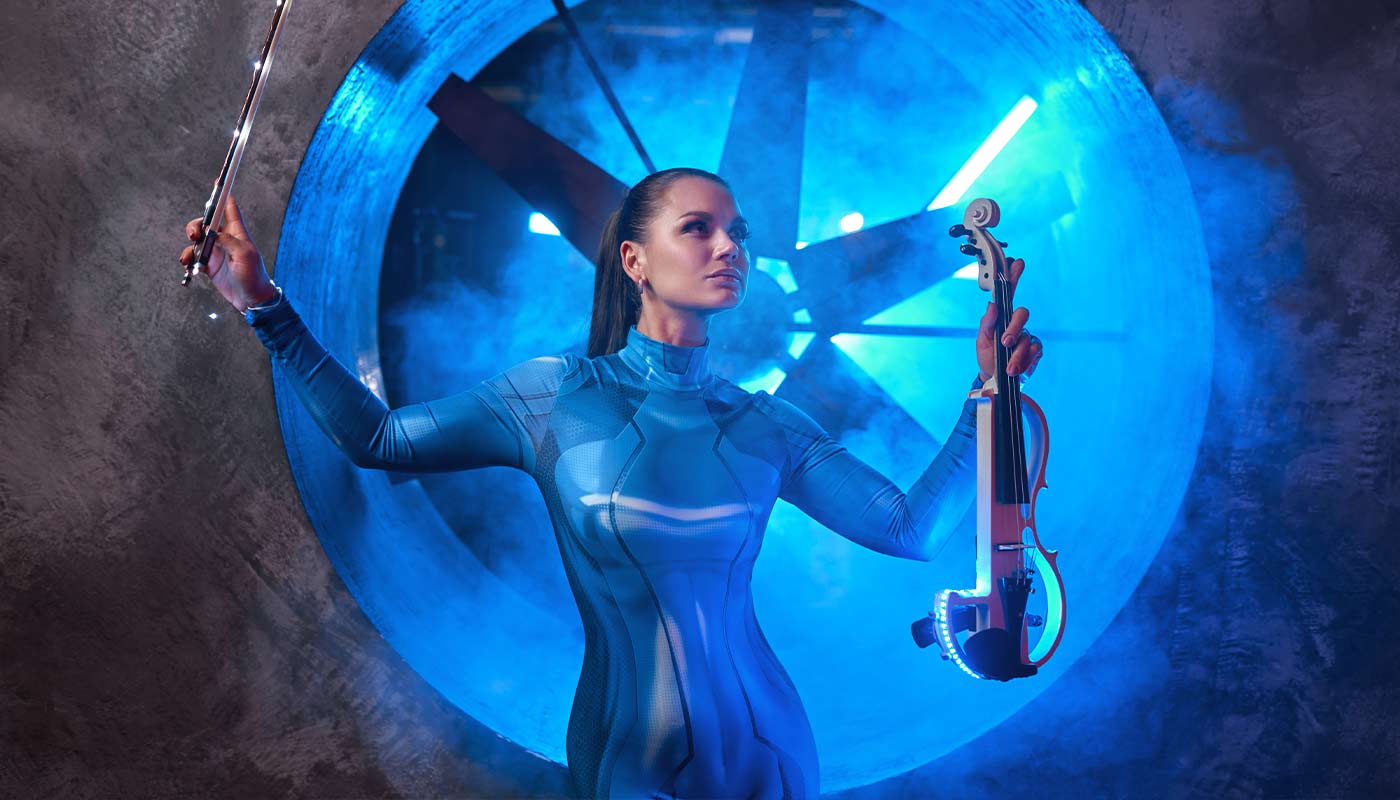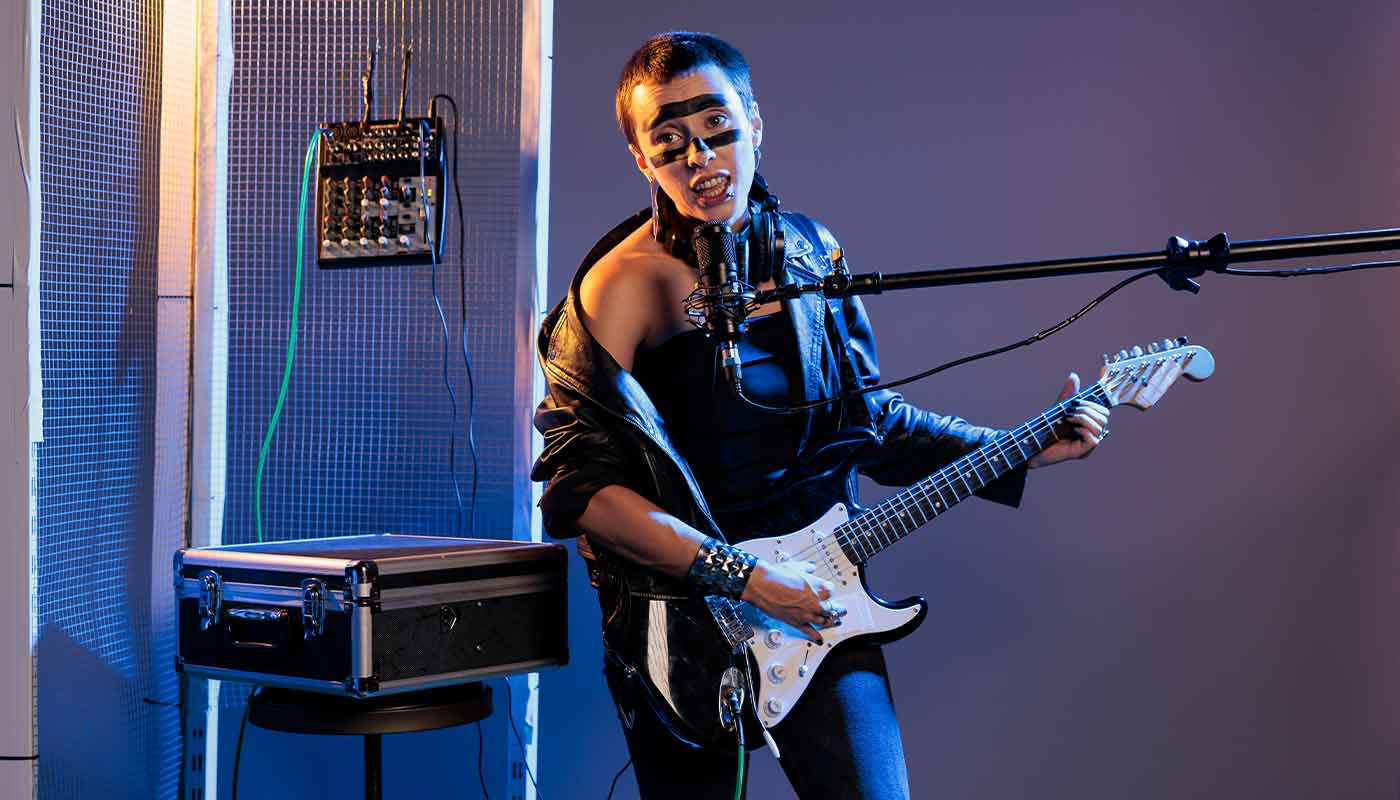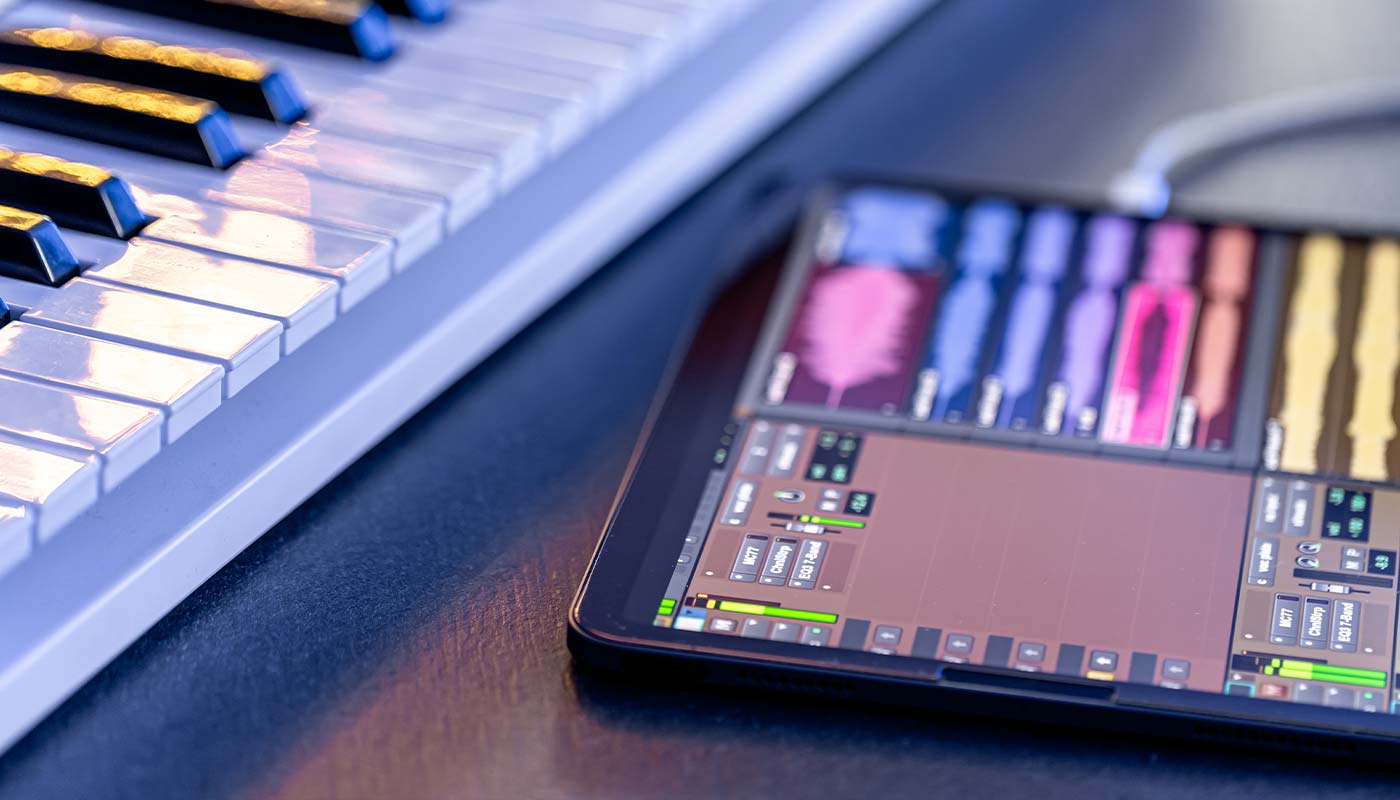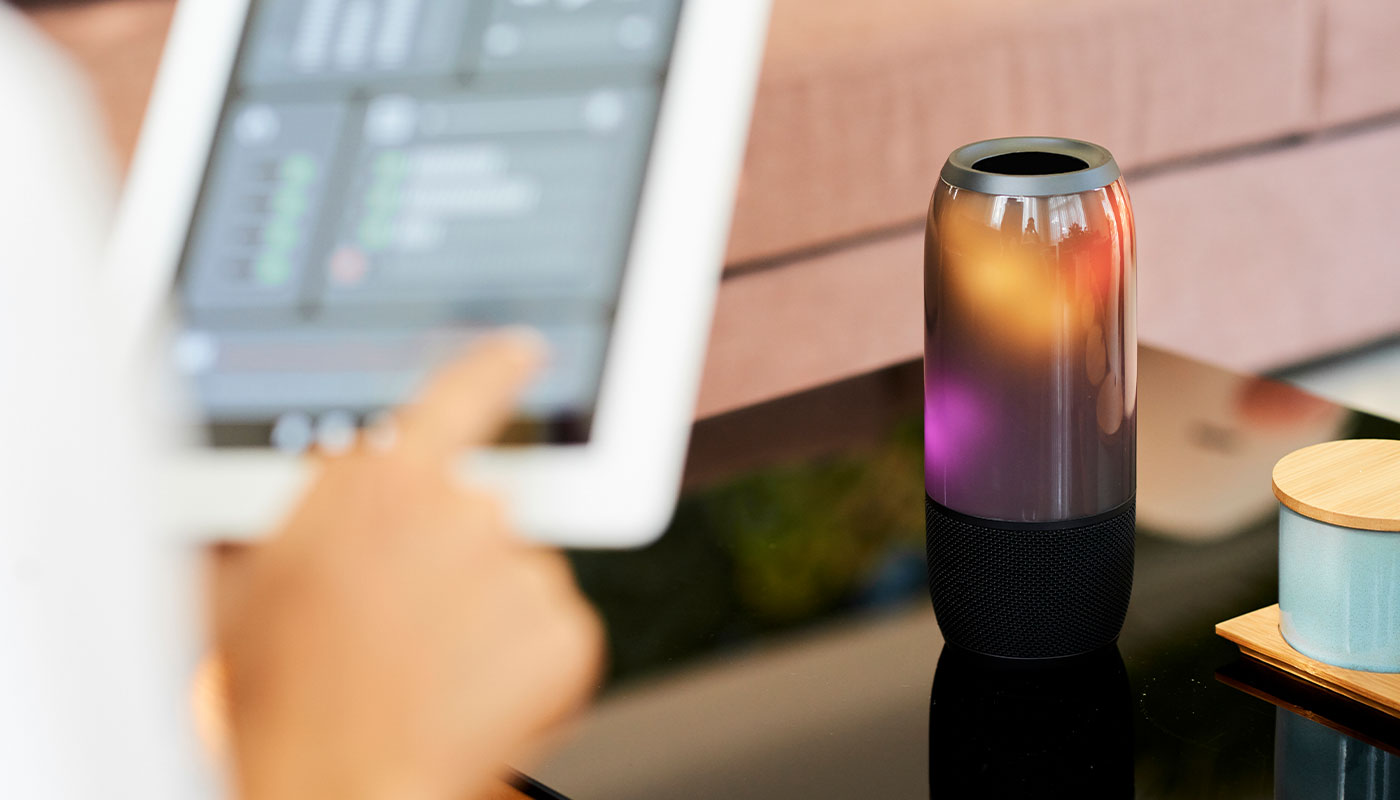
So, here’s something cool to think about: the Internet of Things (IoT) isn’t just for smart fridges and fitness trackers—it’s also changing the way we play and learn music! Yep, you heard that right. With smart devices, connectivity, and some pretty awesome tech, IoT is helping to shape the next generation of musical instruments. Whether you’re a musician, a tech lover, or just curious about new ways to make music, IoT is bringing a whole new level of creativity, performance, and interaction to the music world.
What Is IoT, and How Is It Impacting Music?
Okay, let’s back up for a second. What is IoT? In simple terms, the Internet of Things refers to everyday devices that are connected to the internet and can talk to each other. Imagine your guitar sending data to your smartphone to track your playing, or your piano syncing with an app to give you real-time feedback. Cool, right?
When it comes to music, IoT is doing some pretty wild things. It’s making instruments smarter by adding sensors, wireless connectivity, and real-time data. This means your guitar, piano, or even drums can do more than just make noise—they can interact with apps, adjust to your playing style, and even help you improve your technique. IoT is making music not only more fun to play but also more efficient to learn.
Smart Instruments: They're Not Just for the Pros
In the past, musical instruments were pretty straightforward—what you saw was what you got. A guitar was a guitar, and a piano was a piano. But now? Instruments are getting smart, thanks to IoT. These “smart” instruments can track how you play, give you feedback, and even adjust their settings to help you sound better.
- Interactive Instruments That Learn with You
Picture this: You’re playing the piano, and instead of just following a sheet of music, you see virtual notes floating above the keys. These notes change color or size based on how well you’re playing. If you’re not hitting the right note, the app will tell you right away. It’s like having a personal music coach right there with you.
Smart pianos and keyboards, like the ones from Roland or Yamaha, do just that. They connect with apps and can give you live feedback on your technique, making learning much easier and way more fun. And it’s not just for beginners—advanced players can use these features to track progress and push themselves to get even better.
- Guitars That Talk Back
Guitars are getting in on the smart action too! Some smart guitars have sensors built into the neck and body that track your finger placement and playing technique. These guitars can tell you if you’re strumming too hard or if your finger positioning needs tweaking. They can even control digital effects, so you don’t need extra pedals cluttering up your space.
And the best part? With the help of IoT, your guitar can “talk” to your computer, tablet, or phone, syncing up to create personalized lessons and give you instant feedback. It’s like having a full guitar tech right in your pocket!
The Future of Music: Real-Time Collaboration
One of the coolest things about IoT is how it’s making it easier for musicians to collaborate. In the past, musicians in different locations had to rely on complicated recording setups to work together. Now, with IoT-enabled instruments, it’s possible to sync up and play live with musicians anywhere in the world—no need for expensive gear or waiting for studio time.
- Jamming from Across the World
Imagine jamming with a friend in another country, with your instruments perfectly synced in real-time. You can play together, collaborate on a track, and even experiment with different sounds—without being in the same room. That’s the power of IoT in live music. It brings musicians together, regardless of where they are, and makes remote collaboration way easier than before.
- Making Live Shows More Interactive
And it’s not just about recording—it’s also about performing live. With IoT, musicians can control lighting, sound effects, and visuals all from their instrument. You could be playing a guitar solo while changing the lights to match the vibe, all in real time. How cool is that?
This level of interactivity makes live performances more immersive for the audience. It’s like the music and the environment are merging into one big experience. And the best part? It’s all possible thanks to IoT.
IoT in Music Education: Learning Made Easier
Learning music has always been a bit of a grind—until now. IoT is helping make music education more interactive and personalized, whether you’re a beginner or an experienced player looking to brush up on your skills.
- Personalized Learning with Smart Instruments
With IoT, your instrument can actually learn from you. It tracks your progress, notes where you need improvement, and provides instant feedback during practice. This is especially helpful for beginners who need constant guidance. Apps that sync with your instrument can suggest exercises based on your playing, helping you focus on your weak spots and improve at your own pace.
- Making Learning Fun and Engaging
Let’s face it—learning an instrument can get boring sometimes. But with IoT, music education is becoming more fun. Some apps are adding gamification, where you “level up” after completing challenges or improving your skills. It’s like a video game, but instead of shooting aliens, you’re mastering the scales! This kind of interactive, game-like learning motivates students to practice more, making the whole process a lot less painful.
The Future of IoT in Music: Endless Possibilities
So, what’s next? As IoT continues to evolve, the future of music is looking incredibly exciting. We’ll likely see even more smart instruments that adapt to a player’s mood or style, virtual reality (VR) integrations that enhance learning, or instruments that sync up with AI to create entirely new forms of music composition.
In the coming years, IoT could make learning even more immersive, with virtual classrooms and interactive lessons that feel like you’re right there with your teacher, no matter where you are. And live performances could get even more high-tech, with musicians using IoT to create fully interactive shows that respond to the crowd, the music, and the mood.